
The BLM is developing a Programmatic Environmental Assessment (PEA) that analyzes a range of wild horse and burro management actions addressing excess animal populations (i.e., gathers, removals, and population growth suppression techniques) and the typical effects of those actions on the human environment. Following the final publication of the BLM’s decision, other BLM offices would utilize the analyses contained within the PEA to incorporate the general findings of the effects analysis into their own site-specific NEPA analyses, allowing for more specified analyses while also providing a base from which general effects common to the large majority of these types of actions are already summarized. It should be noted that this PEA will not authorize any on-the-ground activities. Rather it provides the basis for future analyses that will authorize these activities.
BLM seeks initial input on programmatic analysis of wild horse and burro management
The Bureau of Land Management is seeking initial input on the scope of analysis for a programmatic environmental assessment to evaluate humane, science‑based methods for managing wild horse and burro populations on public lands. BLM is seeking initial input on the scope of issues and alternatives that should be considered. A programmatic environmental assessment is intended to provide a consistent analytical foundation for future management decisions, improve transparency, and help better protect animal and rangeland health while reducing redundant environmental reviews and mitigate costs. Additional information on the preliminary purpose and need, alternatives, and issues can be found in the scoping package document under the "Documents" tab. Comments may be submitted through the BLM National NEPA Register by July 2, 2026.
The programmatic assessment will not authorize any new actions directly. Instead, it will streamline the National Environmental Policy Act process by providing baseline analysis for future site-specific reviews, ensuring those analyses can focus more on local conditions while maintaining rigorous environmental standards. This approach is intended to reduce unnecessary delays and redundant analyses, lower costs to taxpayers, and improve outcomes for wild horse and burro herds and public lands.
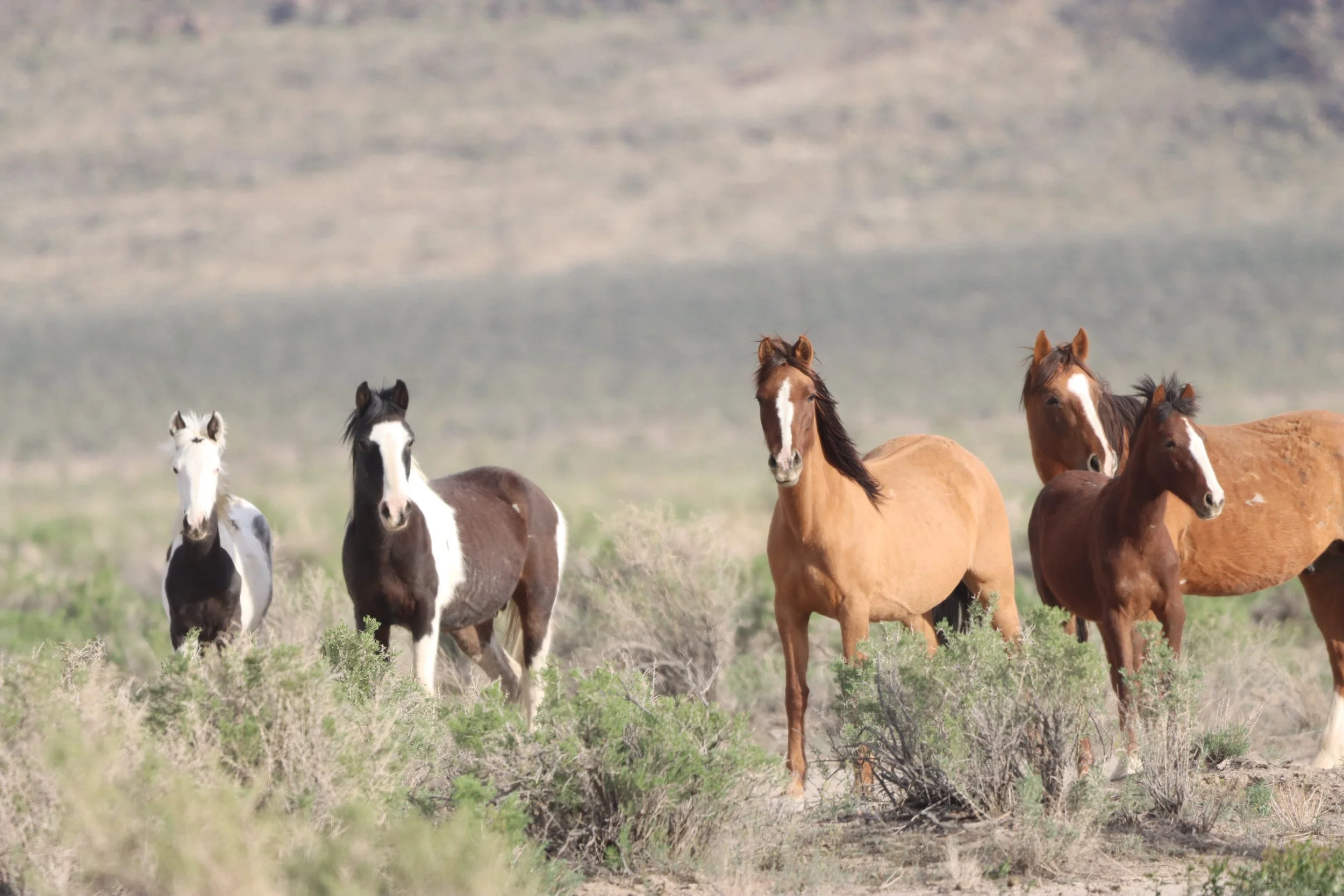
NEVADA WILD HORSES IMAGES BY MJROSS