
Beyond the roundup series # 3: What the Clan Alpine records reveal- When horses are removed from the range their journey continues and so should our scrutiny
An analysis of the October 3, 2026 Clan Alpine animal inventory reveals 141 recorded deaths, 314 horses listed as sold, and another 559 marked eligible for sale. These records raise serious questions about what happened after capture and how much the public can learn about the horses’ care and ultimate destinations.
Behind every entry is an individual horse whose life deserves accountability.
What the records show
The report contains 1,604 (BLM total removed was 1605) animal records with capture dates from November 8 through November 28, 2023. Their listed dispositions are:
Eligible for sale—age 402
Eligible for sale—strikes 157
Sold 314
Eligible for adoption 195
Adopted 79 still in the process of receiving title
Titled 113
Released 190 -109 Stallions, 81 Mares,
Dead 141
9 Incomplete sale
2 Incomplete adoption
2 Direct transferred
Total 1,604
The deaths did not end when the roundup ended
Of the 141 recorded deaths, 23 occurred at the trap or gather site, 102 in short-term holding, 12 in long-term holding, and four in adopter or private care.
That means 114 recorded deaths occurred in holding facilities.
The death dates extend from November 9, 2023, through April 7, 2026. The report records 43 deaths in 2023, 76 in 2024, 21 in 2025, and one in 2026.
Together, these deaths represent approximately 8.8% of the report’s 1,604 records. That figure is a cumulative recorded percentage—not an annual mortality rate or proof that every death was caused by the roundup.
What it does demonstrate is why monitoring must continue long after the helicopters leave.
Sixteen euthanasia records deserve a fuller explanation
One of the most concerning findings is 16 horses euthanized with “Cryptorchid” listed as the cause. All 16 deaths were recorded at Palomino Valley between January and April 2024.
The report does not provide the veterinary findings, treatment options considered, or explanations supporting those decisions. A brief database entry cannot tell the public why euthanasia was selected for each horse.
These records warrant a clear response from BLM, supported by veterinary documentation and euthanasia authorizations.
Two other horses have deaths explicitly attributed to gelding complications:
Freezemark 09903493: April 10, 2024; “Gelding Complications: Evisceration.”
Freezemark 04903534: April 15, 2024; “Gelding Complications: Other.”
Those two cases are separate from the cryptorchid entries. The report does not establish that all 18 horses died during gelding procedures.
Injuries and unexplained deaths raise additional questions
The death records include 18 acute or sudden leg or pelvic fractures, 12 acute or sudden neck or back fracture/spinal cord injuries, and two acute or sudden head fracture/brain injuries.
Of those 32 records, 26 occurred in short-term holding, five at the trap or gather site, and one in adopter or private care.
The report identifies the recorded injuries, but it does not explain how they happened. Incident reports, handling records, and veterinary documentation are necessary to understand the circumstances.
There are also inconsistencies within some entries. Four trap-site deaths list an acute or sudden leg or pelvic fracture as the cause, while classifying the euthanasia under a chronic or pre-existing condition. That discrepancy needs explanation; the report alone cannot resolve it.
Another 29 deaths have unknown or undiagnosed causes, including three horses recorded as found dead on pasture. Twenty additional deaths are attributed to an inability to maintain or improve body condition.
These entries leave important questions about diagnosis, treatment, monitoring, and the horses’ condition over time.
What happened to the sold horses?
The report lists 314 horses as sold and another 559 as eligible for sale.
It does not identify the buyers, sale dates, subsequent owners, or destinations. This document alone does not establish that any Clan Alpine horse went to slaughter. It also does not provide the information needed to trace the sold horses’ subsequent lives.
The location column requires careful reading: it identifies the horse’s first BLM location, not necessarily its current location. A sold horse whose row names Palomino Valley cannot be assumed to remain there.
Tracing these horses requires sale records, purchaser information, transfer histories, and relevant transport documents, matched to individual freezemarks and microchips.
Accountability must follow the horses
For Wild Horses Lives Matter, protecting wild horses means following what happens on the range, during capture, in holding, and after adoption or sale.
This inventory provides important information, but it leaves substantial gaps. BLM should provide the documentation needed to explain the euthanasia decisions, serious injuries, unknown causes of death, conflicting classifications, and destinations of sold horses.
The public deserves records that allow meaningful oversight. The horses deserve care and accountability throughout their lives.
A roundup’s final day should never be the final day we ask what happened to them.
Source and method: Counts were calculated from all 1,604 rows in the “Gathered Animals” report dated October 3, 2026. Findings reflect the entries in this inventory; underlying veterinary, incident, and sale records were not supplied.
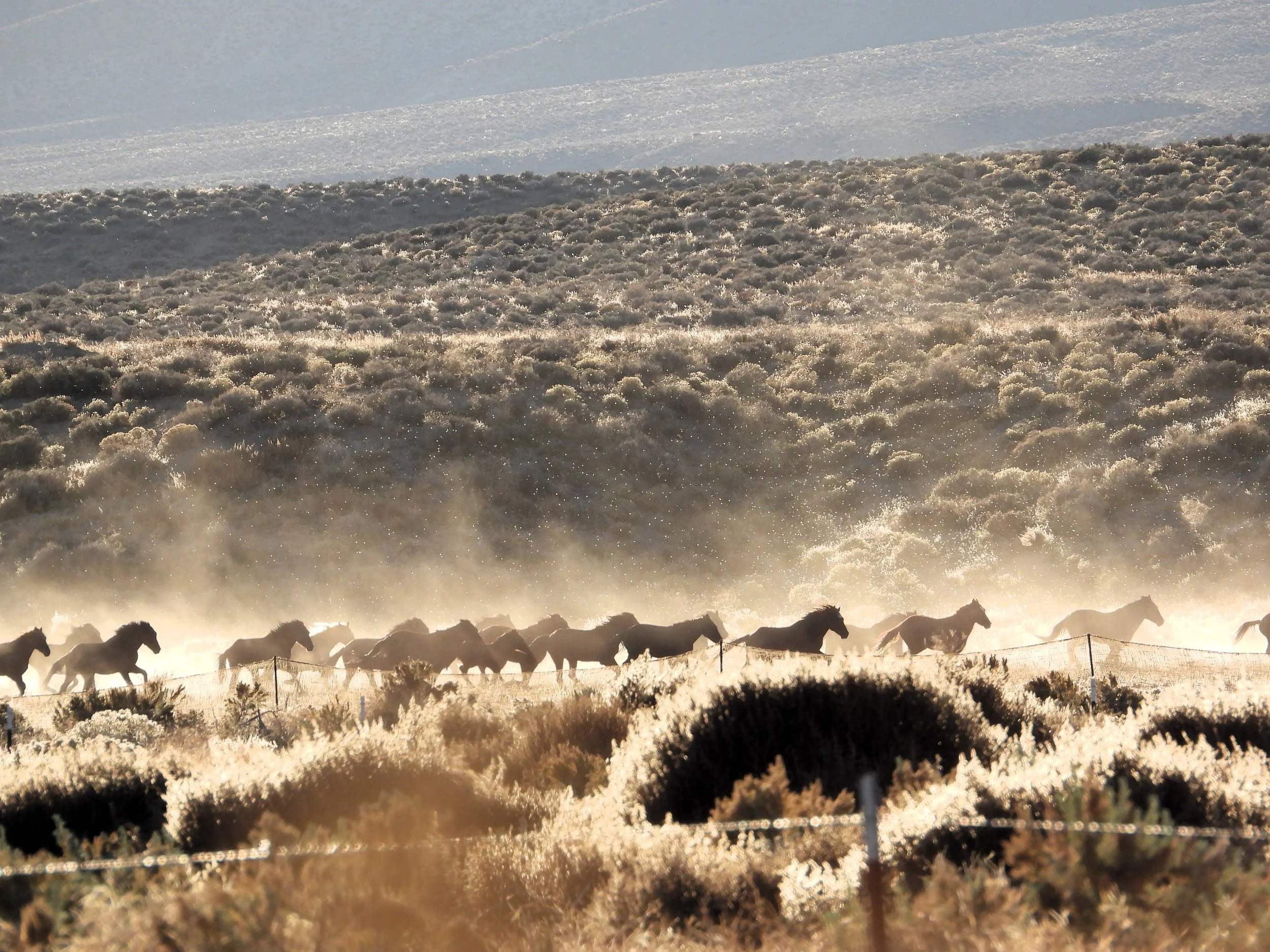
Clan Alpine