
2026 Roundup Costs: More Than $3.3 Million Contracted to Remove 6,235 Wild Horses
Nine roundups are included in these figures: five marked complete, two ongoing, and two pending. The prices vary dramatically. Lahontan has the lowest listed unit cost at $371.26 per animal, while Saylor Creek is the highest at $921.70 per animal—nearly 2.5 times as much for each animal targeted.
Contradictions in Public Land Management: The Lahontan Herd Management Area Wild Horse Roundup
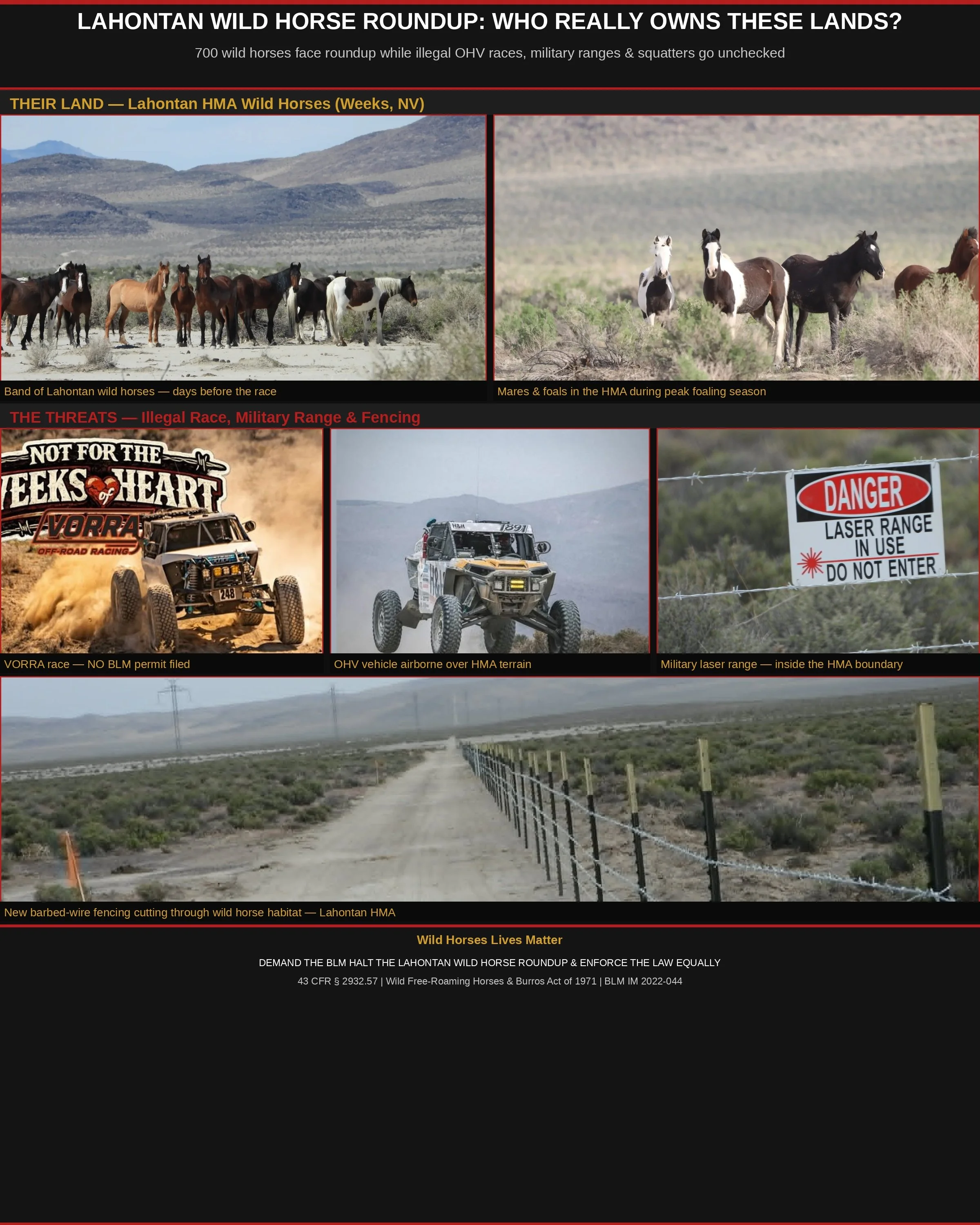
The Bureau of Land Management (BLM) has authorized a massive wild horse roundup in the Lahontan Herd Management Area (HMA) in Nevada, aiming to remove nearly 700 wild horses and reduce the population to a scientifically and genetically unviable Appropriate Management Level (AML) of just 7 to 10 horses . The BLM justifies this extreme action under Section 1333(b) of the Wild Free-Roaming Horses and Burros Act (WFRHBA), citing the need to "prevent undue or unnecessary degradation of the public lands" and "restore a thriving natural ecological balance" .
However, an examination of current public land use in and around the Lahontan HMA reveals glaring contradictions in the BLM's management priorities. While wild horses are targeted for near-total removal due to alleged environmental degradation, the BLM simultaneously permits massive commercial livestock grazing operations, facilitates military bombing range expansions, and fails to enforce federal law against unauthorized human activities including a 250-mile off-highway vehicle (OHV) race run illegally through the heart of the HMA during peak foaling season, and long-term squatters and illegal encampments that go largely unaddressed
Saylor Creek HMA 2026 Roundup: Comprehensive Research Report**PUBLIC COMMENT PERIOD
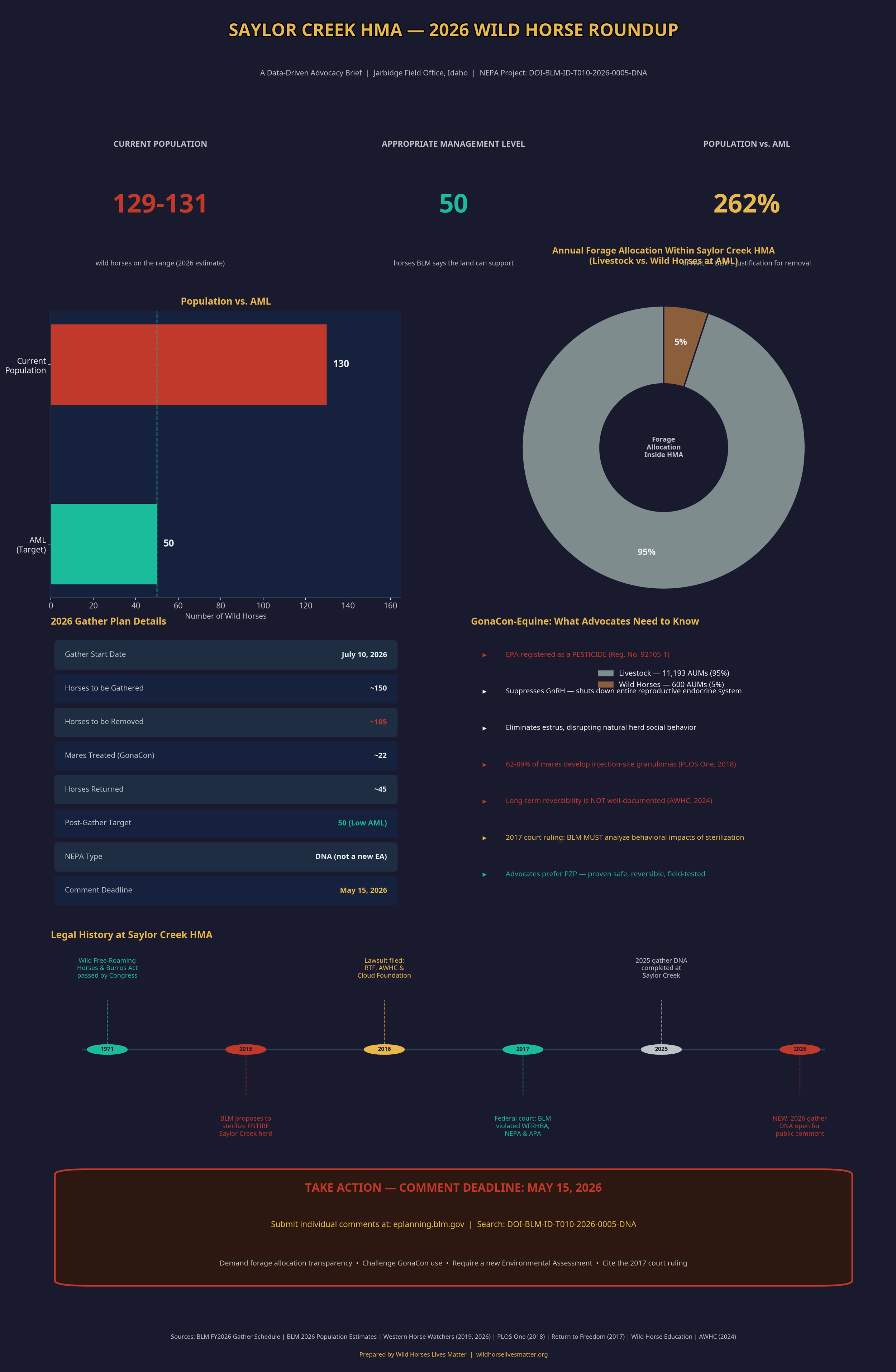
The Bureau of Land Management (BLM) Jarbidge Field Office in Idaho has initiated a public comment period for a Determination of NEPA Adequacy (DNA) worksheet regarding the planned 2026 wild horse gather at the Saylor Creek Herd Management Area (HMA). The proposed roundup is scheduled to begin on July 10, 2026, with the goal of removing 105 wild horses and treating returned mares with the immunocontraceptive GonaCon-Equine.
The East Pershing Complex Roundup: Operational Details
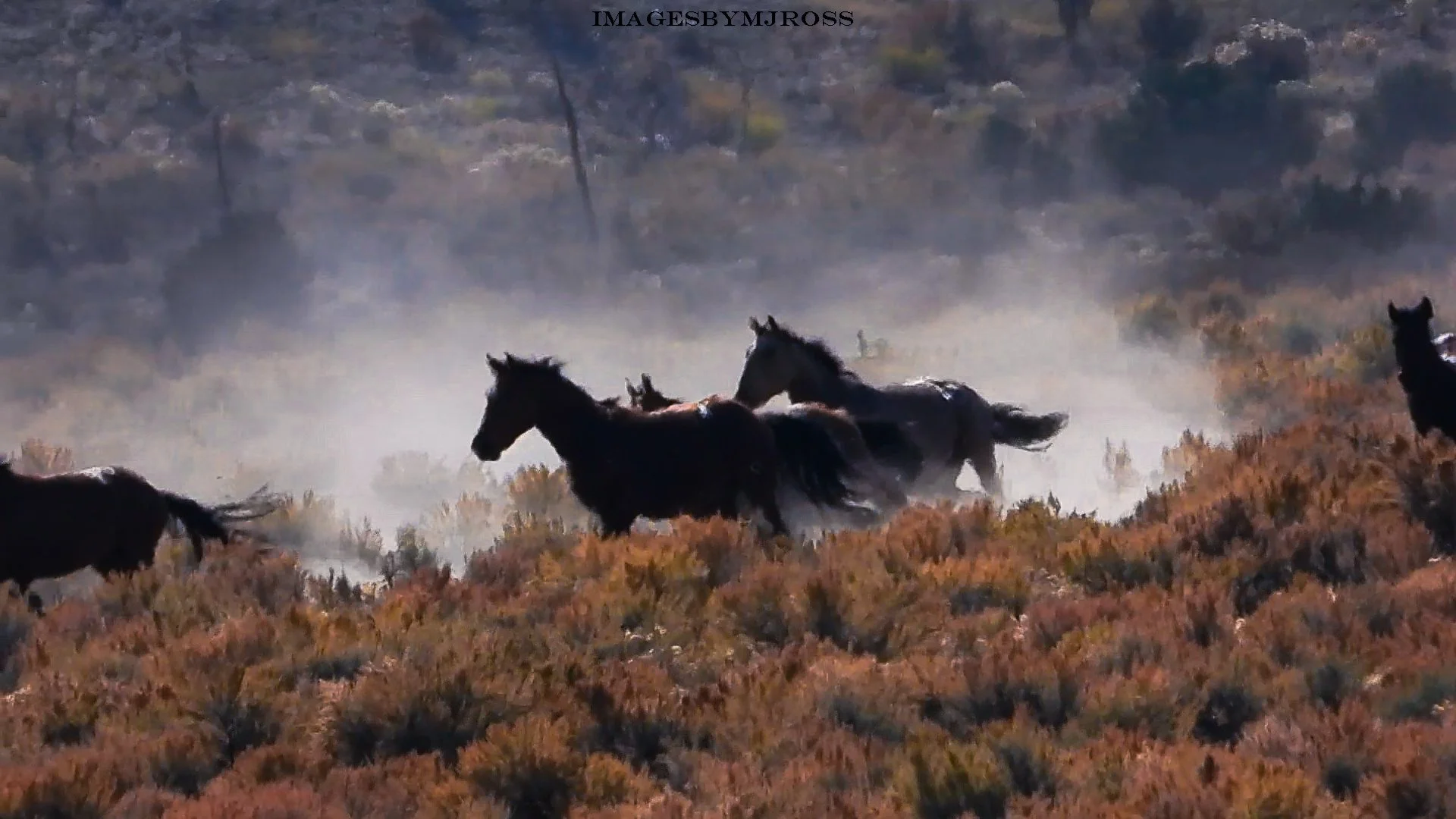
A detailed analysis of the BLM's own internal database, a 193-page record containing individual entries for every horse captured, reveals that the human and animal cost of this operation extends far beyond the 44-day roundup window. As of the database's run date of March 5, 2026, 185 deaths have been recorded among the captured horses, with the most recent death occurring on February 18, 2026, more than two years after the roundup concluded
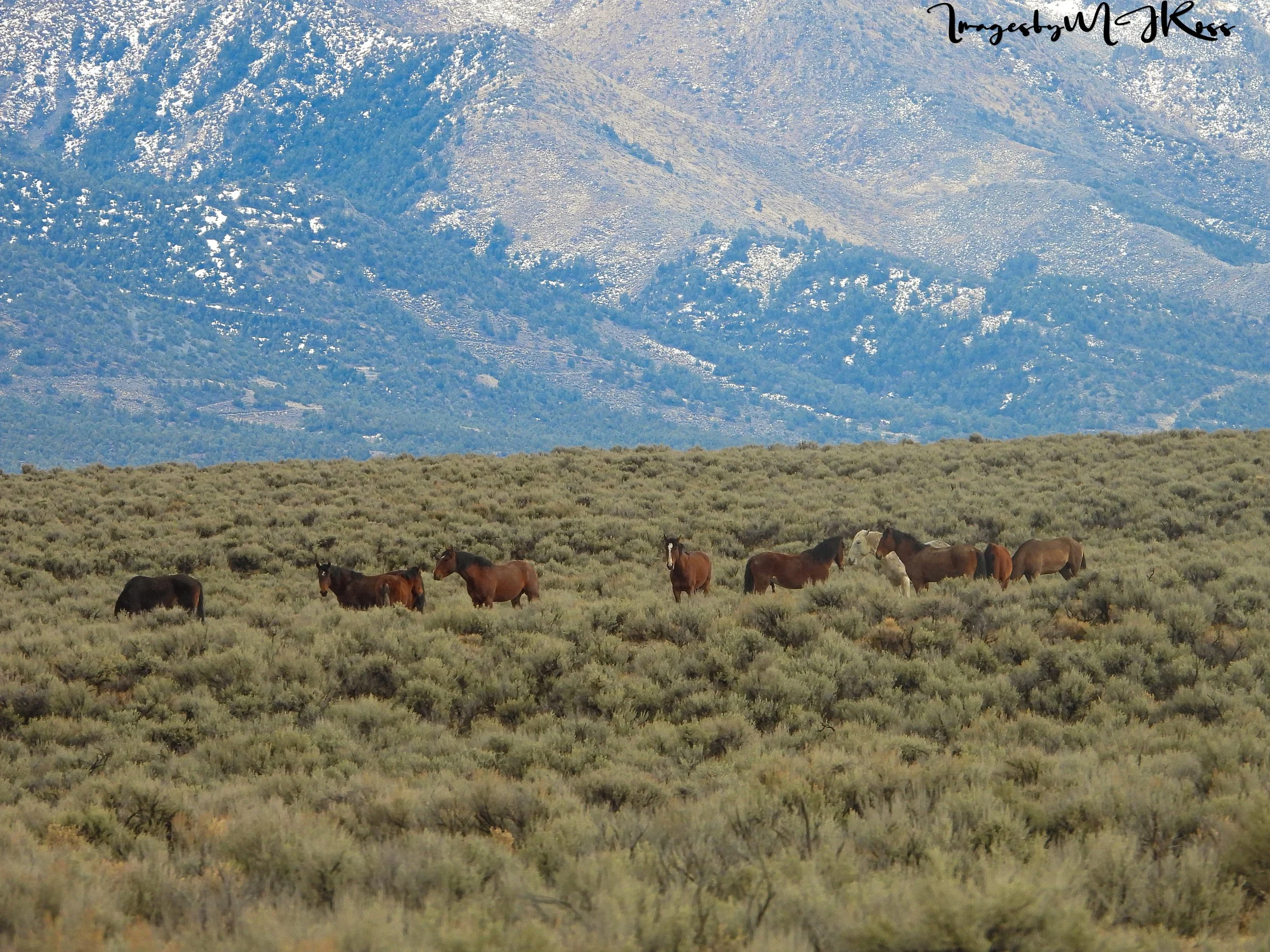
“Wild Horses Deserve Transparency” The Callaghan Complex Roundup of almost 5000 Wild Horses and Burros
The Callaghan Complex consists of:
Callaghan HMA *AML 134-237 - A designated Herd Management Area
Bald Mountain HMA *AML 129-215 - Adjacent to Callaghan HMA and often shares horse movements with nearby HMAs
South Shoshone HMA *AML 60-100 - Another nearby Herd Management Area that wild horses frequently move between with Callaghan and Bald Mountain.
Hickison HMA (The Hickison Summit Burro Range HMA) ( Northern Portion) * AML 16-45 - The plan includes the northern section of the Hickison HMA within the Callaghan Complex boundaries.
North Shoshone HA - Included in some BLM descriptions as part of the complex. Technically a Herd Area (HA) that may not be actively designated as an HMA but is considered within the planning boundary
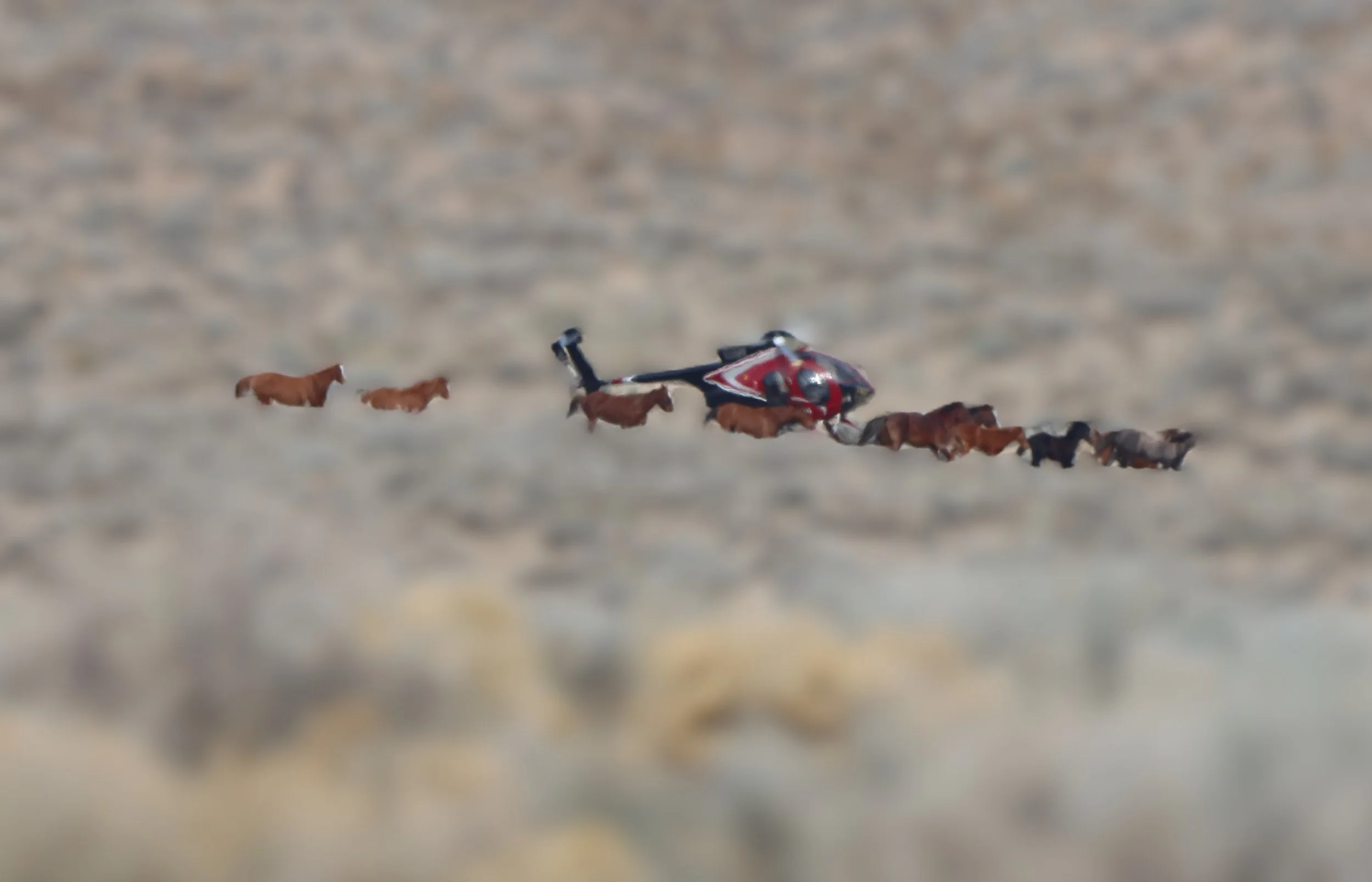
Llimited depth perception in Wild Horses and the effects during roundups
Horses have limited binocular (forward-facing) vision and rely on head movement and reduced speed to accurately judge depth and terrain.
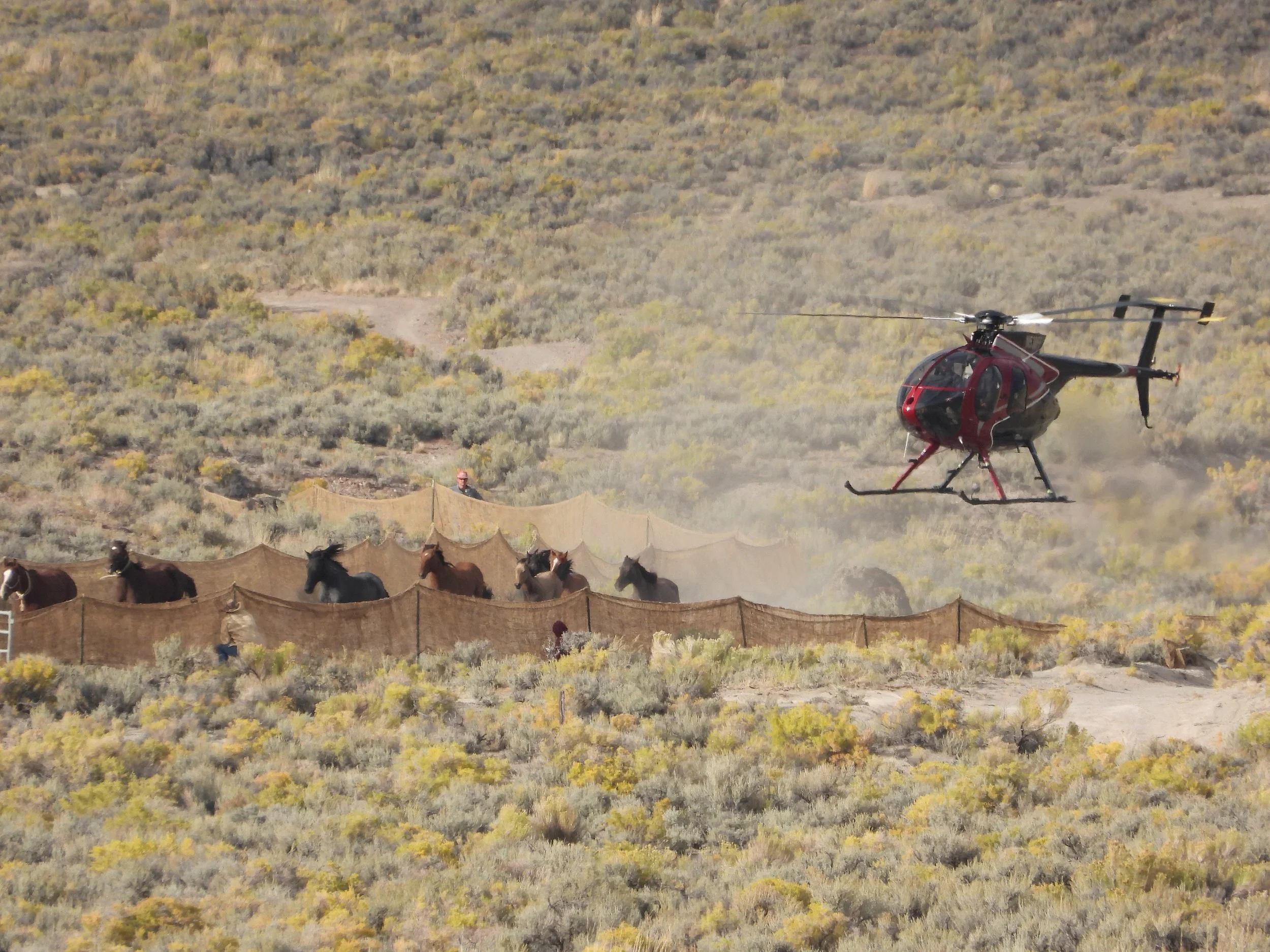
During helicopter gathers, wild horses are driven at sustained speeds across unfamiliar landscapes and are unable to stop, lower their heads, or visually reassess obstacles.
Under these conditions, reduced depth assessment increases the risk of misjudging terrain features such as washes, drop-offs, fencing, and trap wings, which can result in falls, collisions, and musculoskeletal injuries.