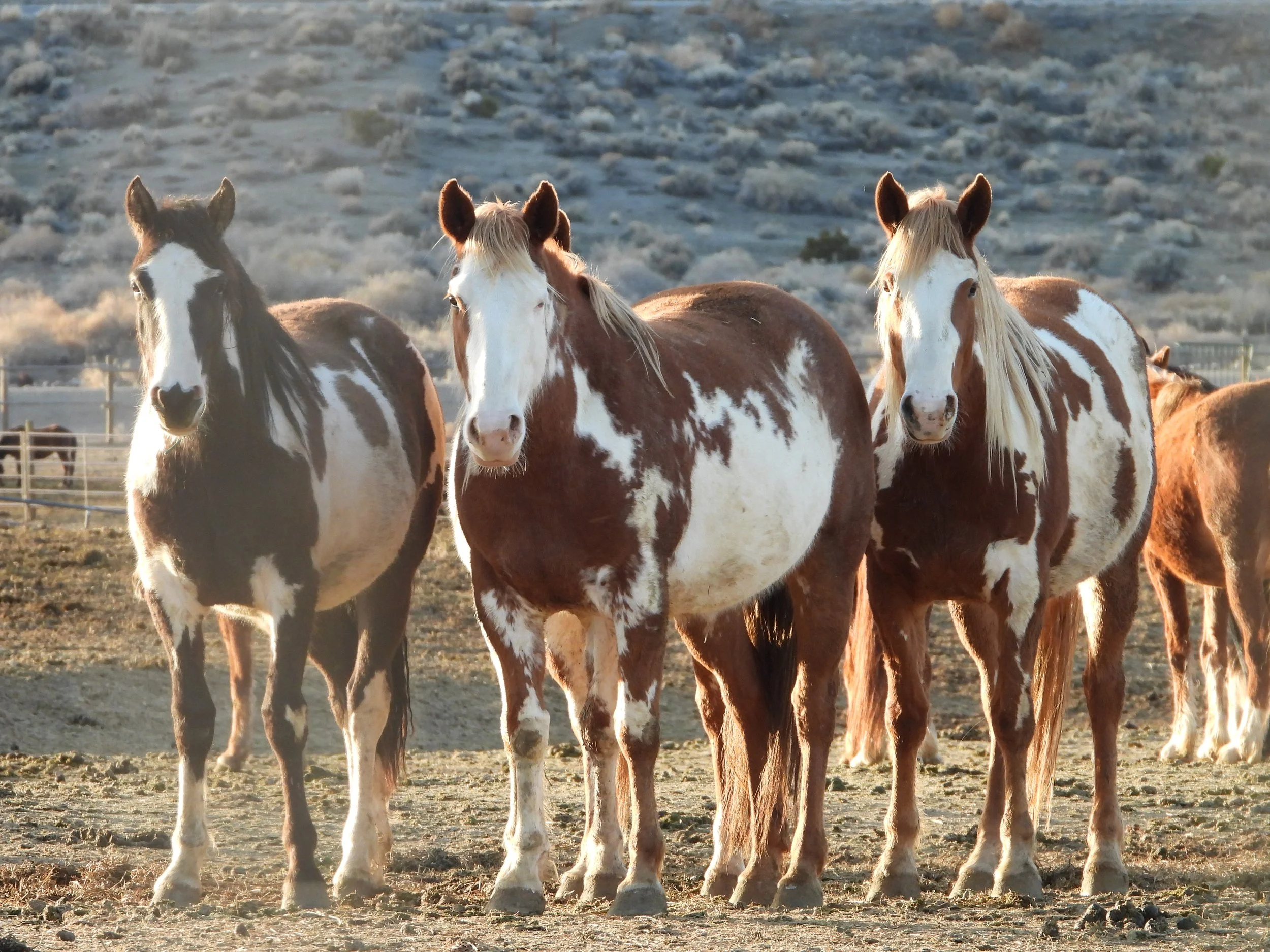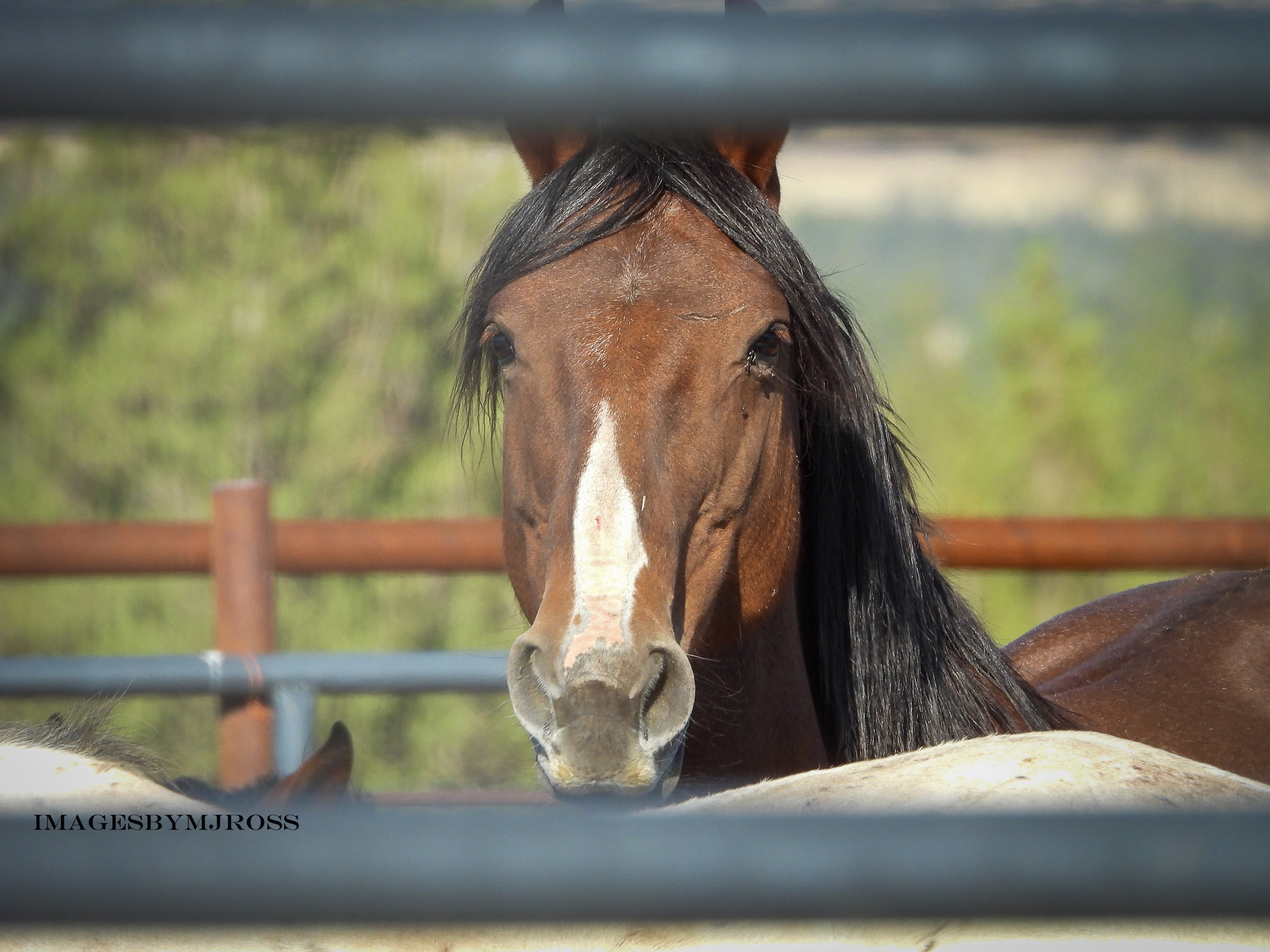
The reorganization of the US Forest service and its implications for the Wild Horses that fall under their managment. Will it Be up to the State to oversee the Wild Horses Territories?
Implications of the Reorganization for Wild Horses The dismantling of the Forest Service's traditional structure poses several severe threats to the protection and management of wild horses on National Forest lands.
Shift to State-Level Control and Industry Influence replacing regional offices with political "state directors" aligns Forest Service management more closely with state governments. In many western states, local political leadership heavily favors the agricultural and livestock industries, which view wild horses as direct competitors for grazing forage and water resources.
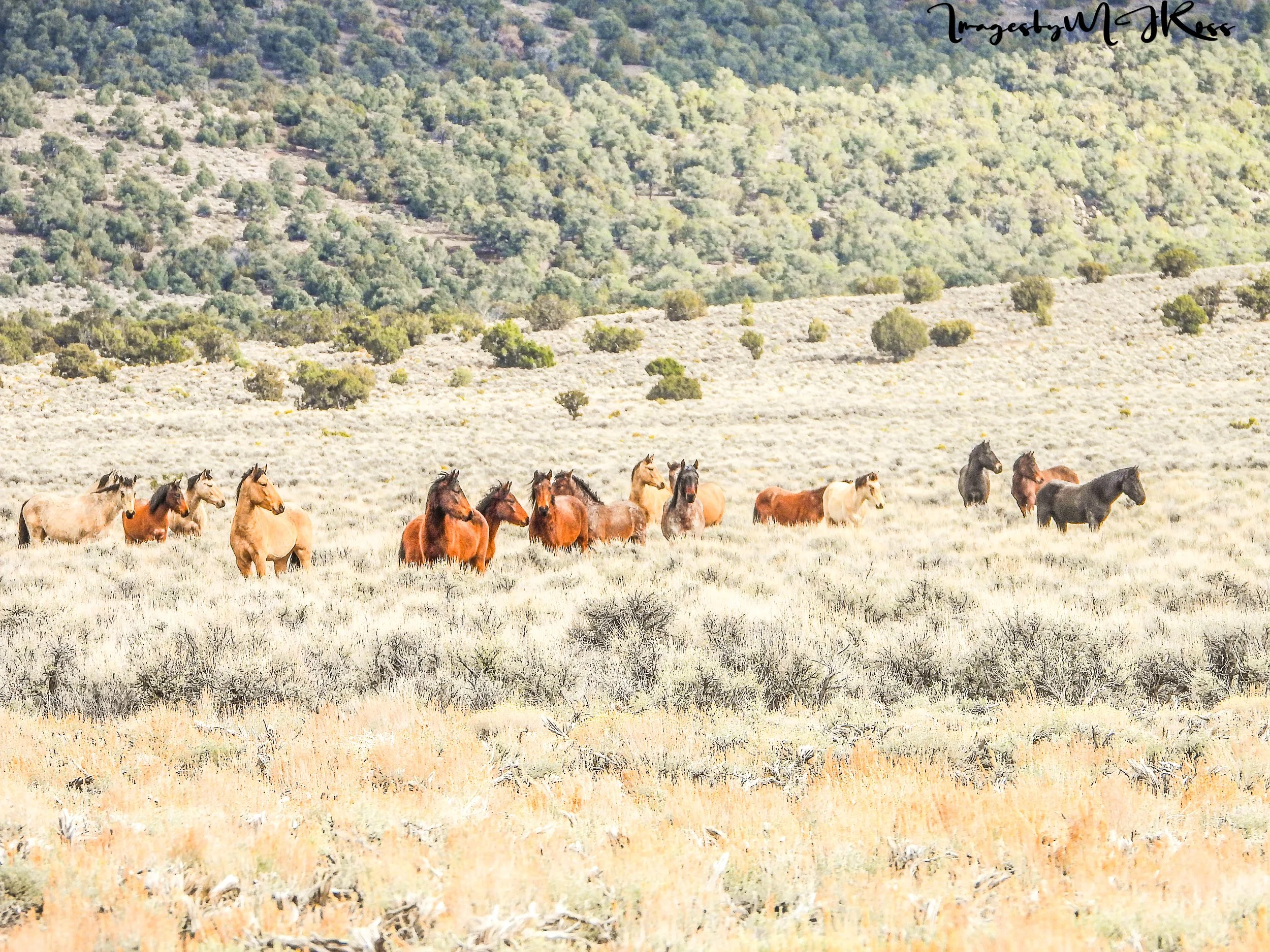
The Wild Horse and Burro Population: Analyzing the 2025 to 2026 Changes
The 2026 population estimates are a wake-up call. The current system is broken, and the wild horses and burros are paying the price. It is time for a compassionate, science-based approach that keeps wild horses where they belong wild and free on our public lands.
The aimed-at stocking rate across all HMAs is 25,592 animals on 25,572,687 acres, or one animal per thousand acres.
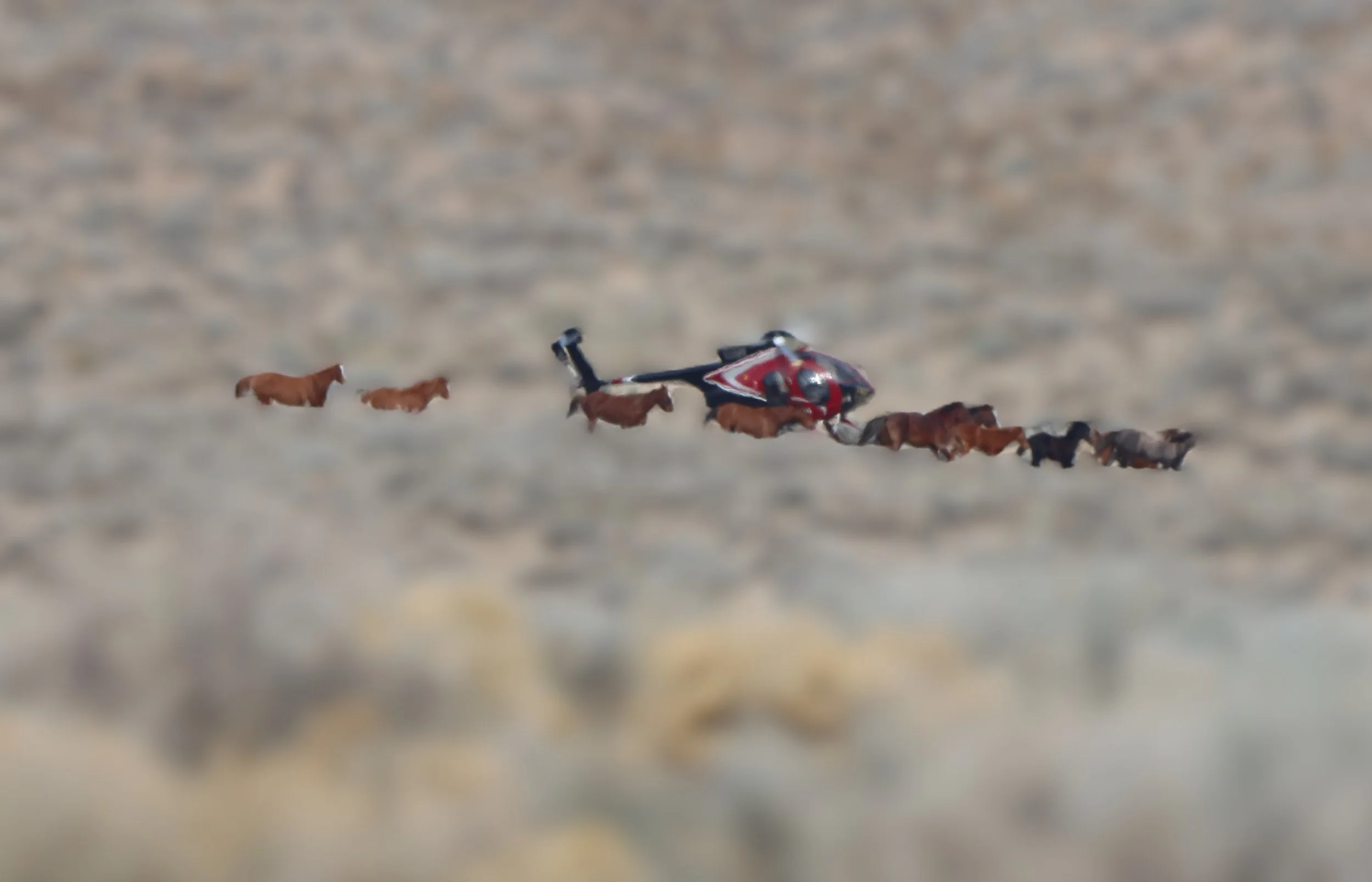
Llimited depth perception in Wild Horses and the effects during roundups
Horses have limited binocular (forward-facing) vision and rely on head movement and reduced speed to accurately judge depth and terrain.
During helicopter gathers, wild horses are driven at sustained speeds across unfamiliar landscapes and are unable to stop, lower their heads, or visually reassess obstacles.
Under these conditions, reduced depth assessment increases the risk of misjudging terrain features such as washes, drop-offs, fencing, and trap wings, which can result in falls, collisions, and musculoskeletal injuries.

BLM seeks input on wild horse management in the Blue Wing Complex
BLM seeks input on wild horse management in the Blue Wing Complex