

Overpopulation of Wild Horses: What the Data & Funding Don’t Tell Us
Many Americans believe that wild horses and burros are vastly overpopulated on public lands..that their numbers are exploding, they are degrading ecosystems, and they must be removed. But a close look at the data, the models, and the funding reveals a far more complex picture. Below are data points, critical analyses, and scientific observations that suggest the “overpopulation” narrative is heavily shaped by assumptions, agency incentives, and funding sources—not always by unbiased science.

Can you water the Virginia Range Horses? Feeding is never allowed by the public, diversionary feeding is only allowed by those authorized to do so.
What do we know about watering the Virginia Range Horses. Is it legal or not?

Montgomery Pass Wild Horses aka Mono Lake
Montgomery Pass Wild Horses also known as the Mono Lake Wild Horses are located at the Nevada- California border along Hwy 120 E and US Hwy 6. Managed by both US Forest Service and the BLM. The AML for this area is 138- 230.
Private Land owners have requested all horses along Hwy 120 E and US Hwy 6 be removed.
Based on EA and public comments the Forest Service has decided to remove the Wild Horses, not taking in account the comments against the removal.
The USFS stated that they realize and appreciate the emotional connection stakeholders have to Wild Horses and the value of the MPWHT herd as a valued resource and decision to address the excess horses has been emotional and challenging to balance all the desires of their many stakeholders. They stated they received numerous impassioned pleas not to remove the horses along with suggestions for planning. Stated they took into consideration all public comments but cannot wait for plan updates, they will need to immediately remove the excess Wild Horses due to Several Horse- vehicle collisions.

Protections for Mustangs & Burros
Our wild horses and burros are not excess stock to be dumped into the slaughter pipeline. They are living symbols of our nation’s history and freedom.
BLM is now using Sale Authority to dispose of as many wild horses and burros as possible
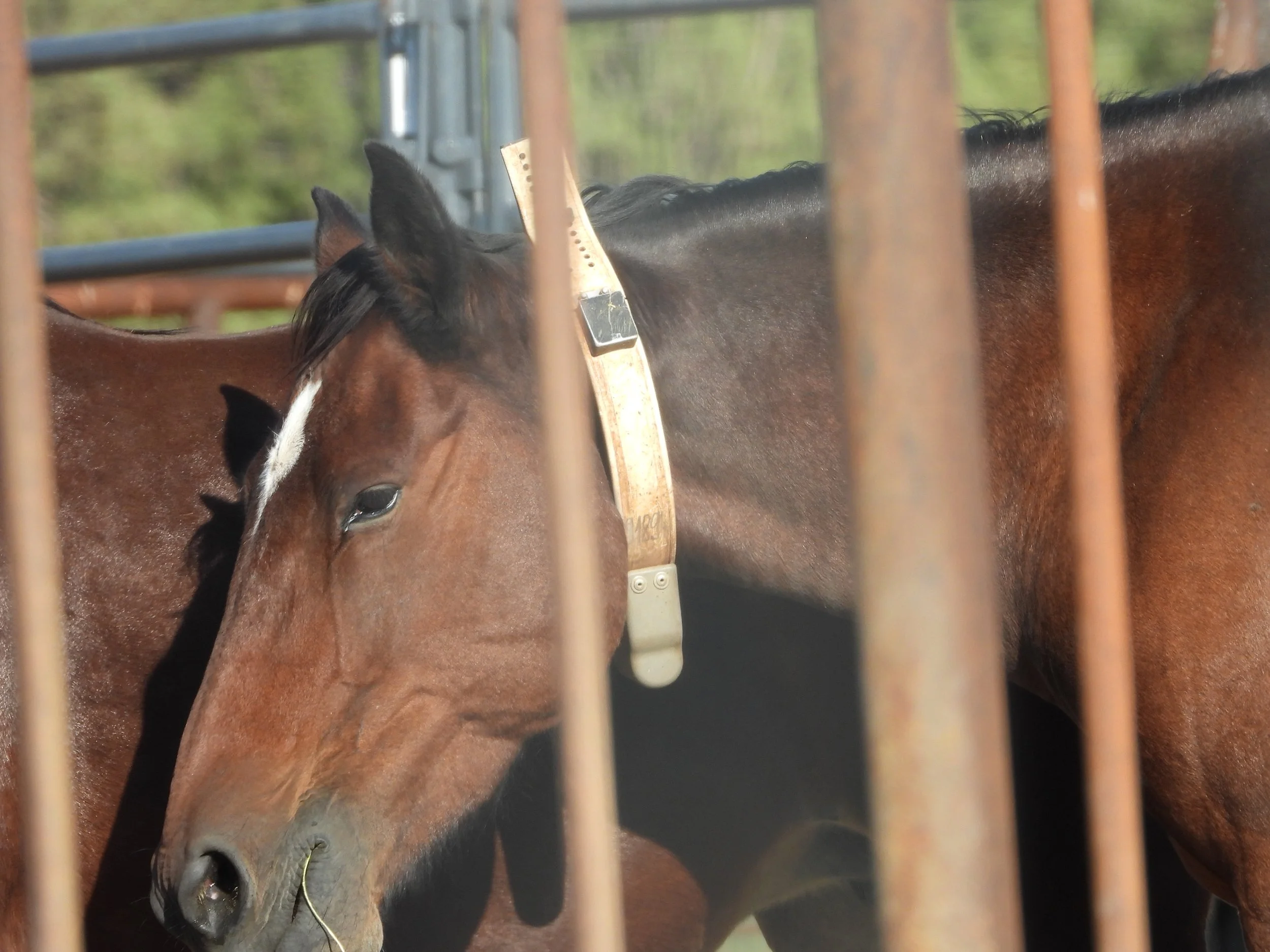
Devils Garden Wildhorses
:Devils Garden Wild Horses The use of tracking collars is confirmed, but only on a limited number of horses, specifically the 30 mares released as part of the 2023 study. The collars are used to track the mares for research purposes
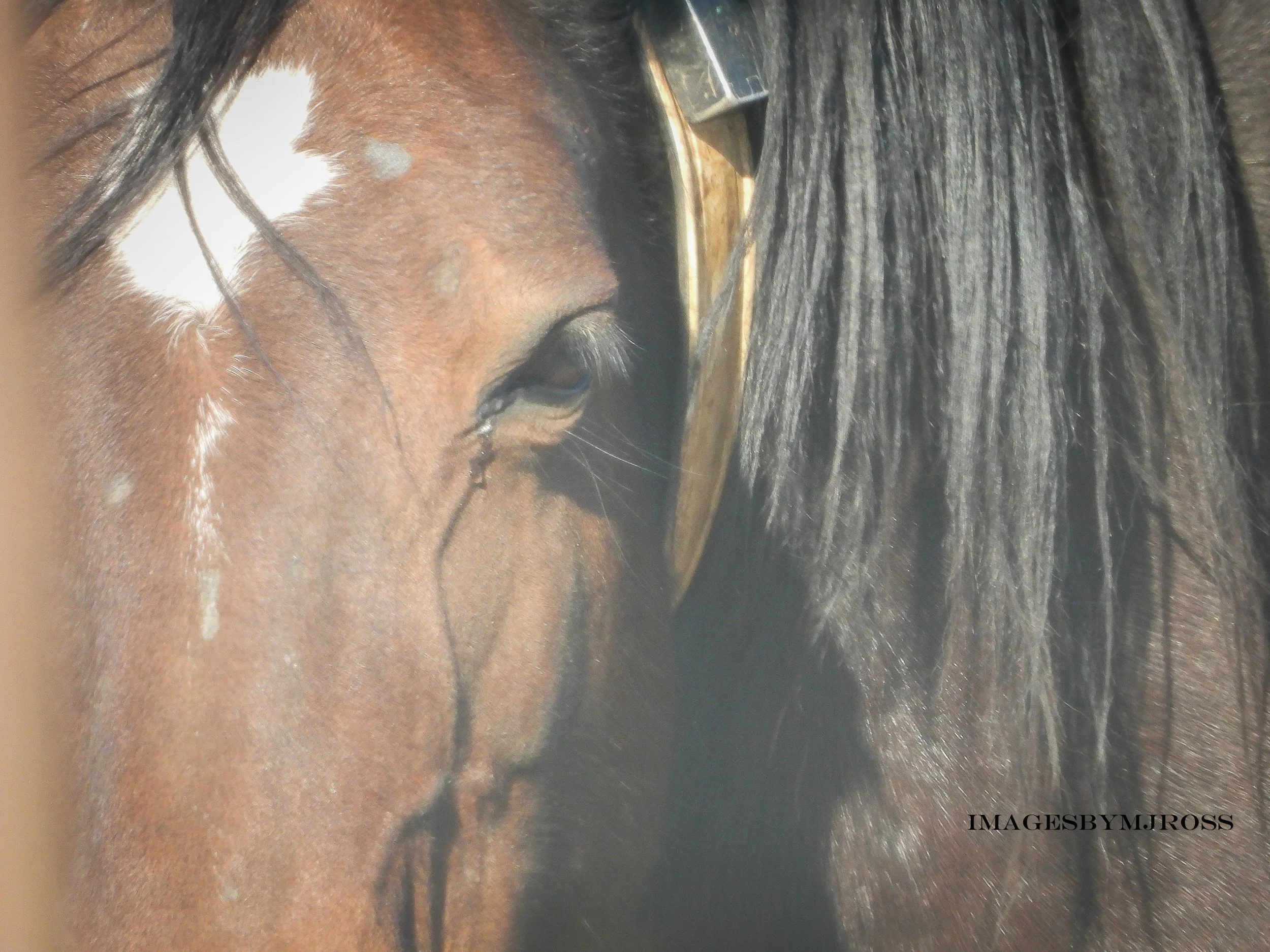
Devils Garden WH Territory Roundup
As of Sept 13th 181 Wild Horses have been removed during the Wild Horse Roundup at Devils Garden WHT in the Modoc National Forest. These Mustangs are amazingly beautiful. The Devil's Garden wild horses are the last viable herd managed by the U.S. Forest Service. This Roundup will put these horses dangerously close to the entire estimated population on the range.
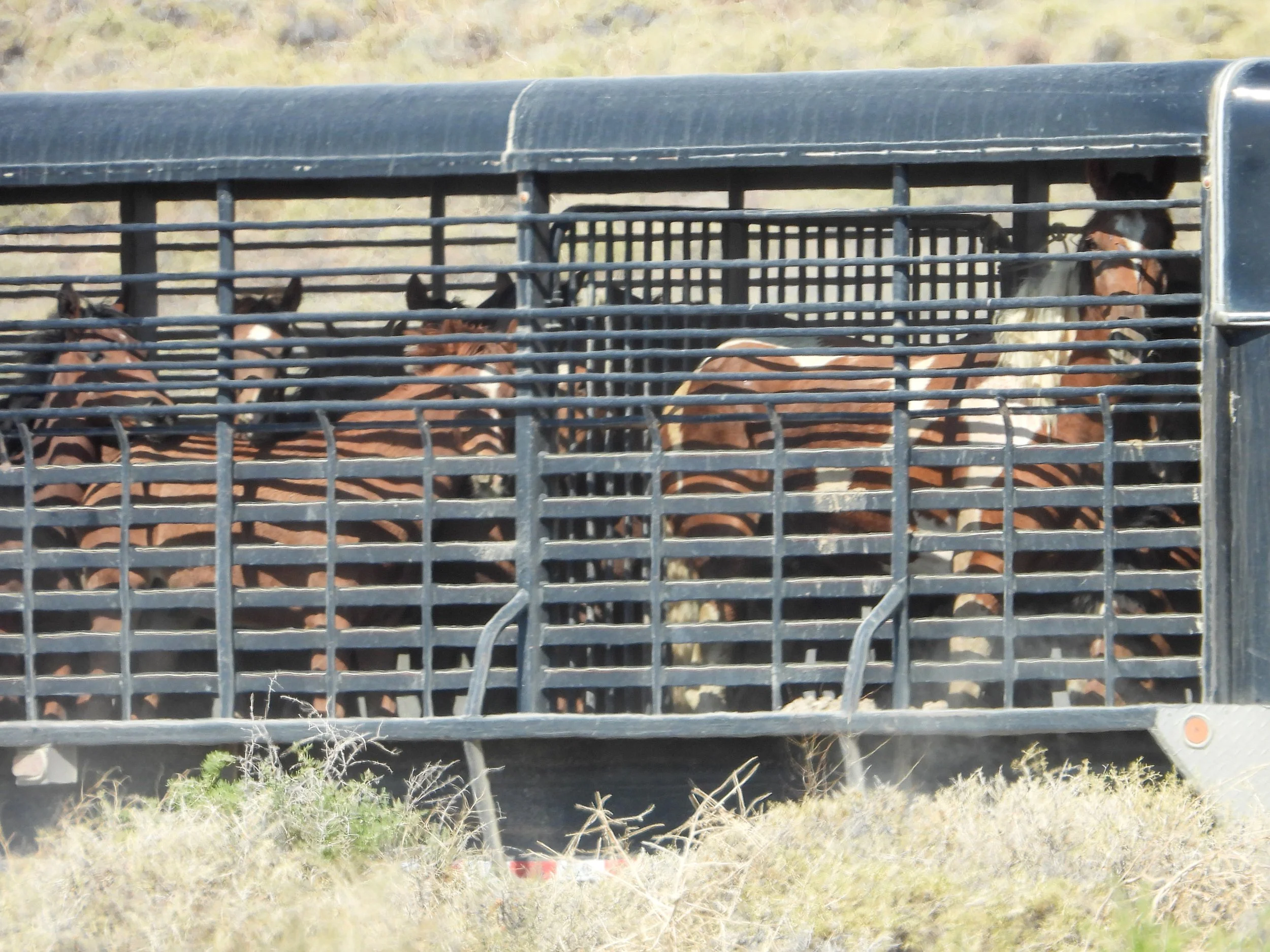
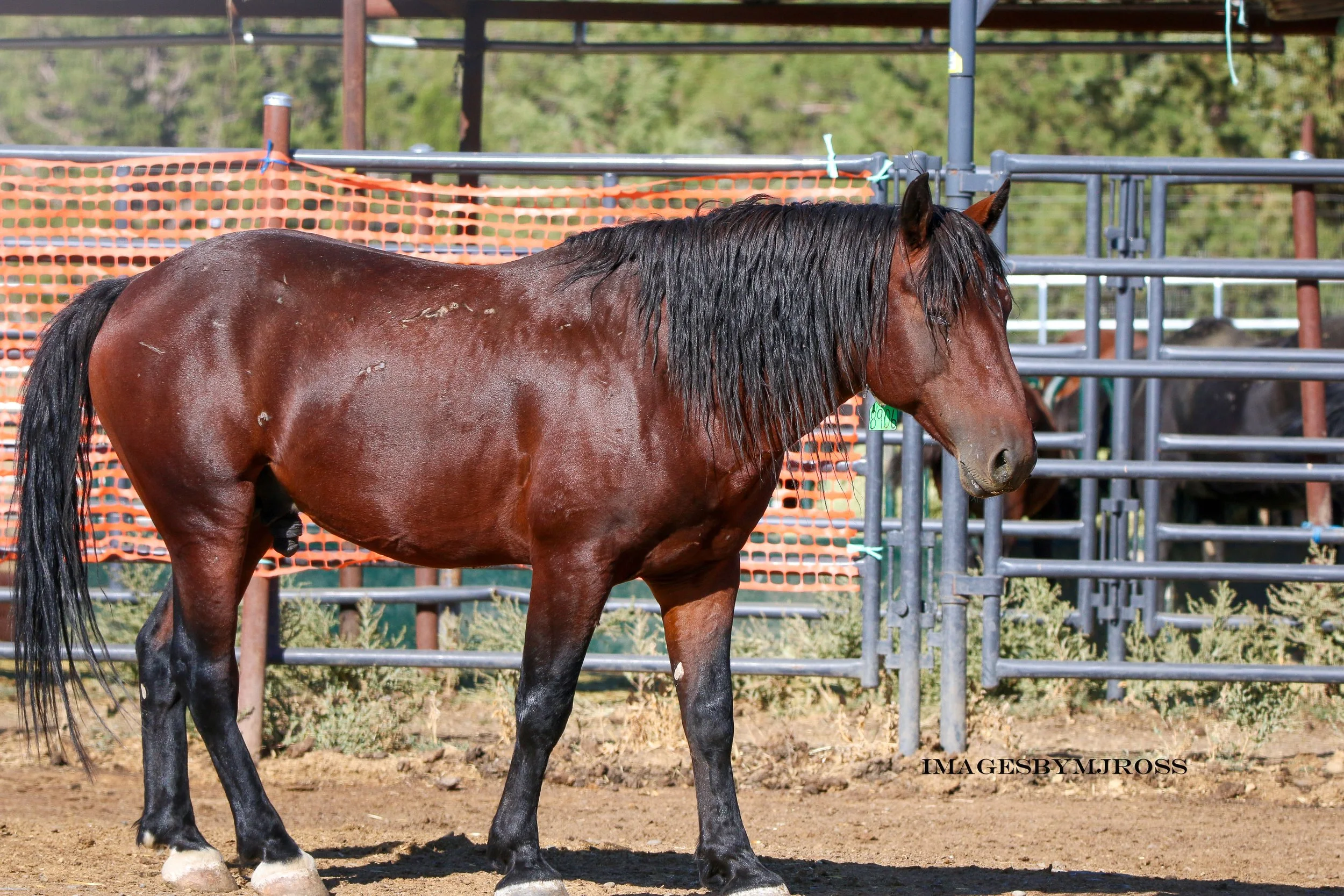
Devils Garden roundup
The USDA Forest Service began gathering 350 wild horses from the Devil’s Garden Plateau Wild Horse Territory on September 2, 2025.
The Modoc National Forest remains committed to managing wild free-roaming horses in a manner that is designed to achieve and maintain a thriving natural ecological balance and multiple-use condition on public lands.
The Modoc National Forest has contracted CD Warner Livestock, LLC. to conduct the gather. Gather contractors will utilize mechanized equipment and bait traps to gather horses. If you come across a livestock corral in the forest, please avoid the area.

Wild Mustangs and Burros Are Still Ending Up in Kill Pens—Despite Federal Protections
At Bureau of Land Management (BLM) sales and adoption events, wild Mustangs and burros continue to surface in kill pens—despite explicit federal rules prohibiting this outcome.

Callaghan Complex Herd Management Area Plan and Gather Plan -Public Comments Due
Public Comment DUE
The BLM is proposing to manage wild horse populations in the Callaghan Wild Horse Complex through gathers to maintain Appropriate Management Levels (AML) and address resource concerns like overgrazing, water scarcity, and rangeland health. However, the report highlights the importance of balancing wild horse management with other factors like livestock grazing, drought, and invasive species, while considering humane and sustainable alternatives such as fertility control and improved water infrastructure.
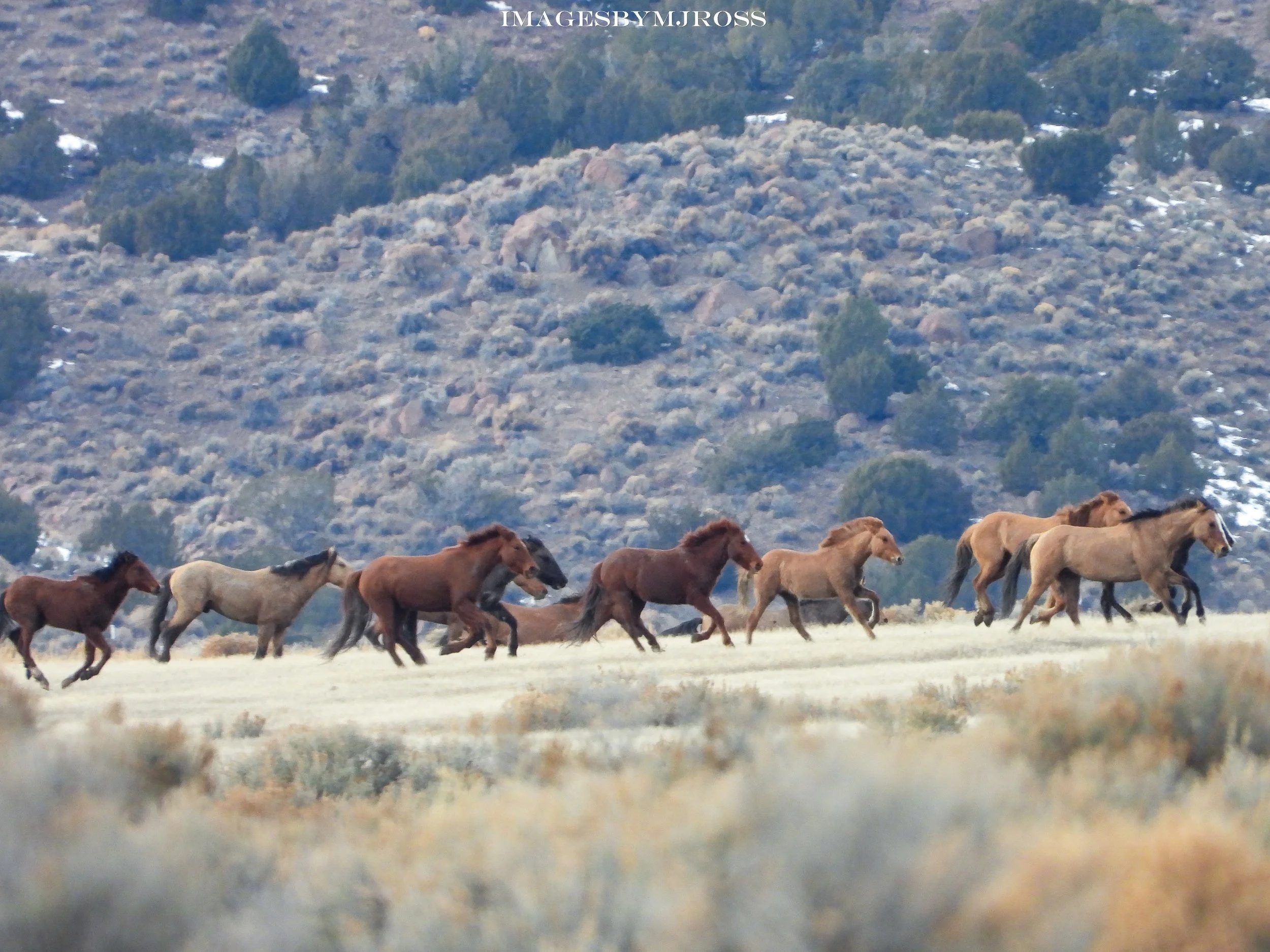
BLM Cancels Plan to Expand East Pershing Complex (gather plan)
BLM Cancels Plan to Expand East Pershing Complex
One of the goals was to sterilize approximately 30 percent of the low-AML population of each herd, even though it was not approved in the 2018 decision.

FERAL VS WILD and why its important
FERAL VS WILD
Why is it important to distinguish the two?
We need to start standing for the term wild. If you see it in an article or headline, write a respectful letter or comment:
“Per the Wild Free-Roaming Horses and Burros Act of 1971, these horses are legally considered wild—not feral. Please correct the terminology.”
The word feral is used to downplay the significance of Wild Horses and their value to the American People.
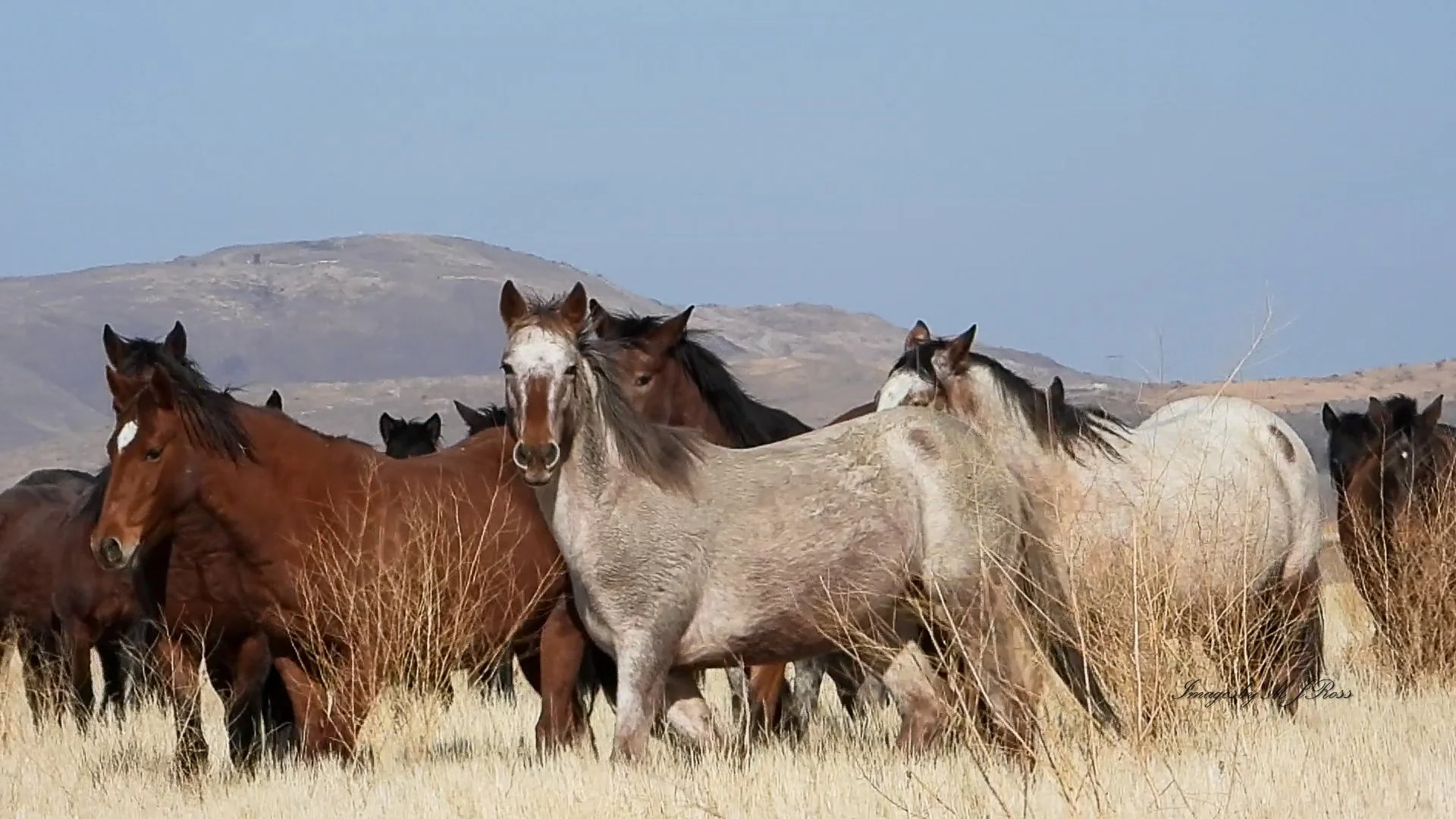
What’s the Difference Between Wild Horses on Federal Lands and Those on Nevada’s Virginia Range?
What’s the Difference Between Wild Horses on Federal Lands and Those on Nevada’s Virginia Range?
A lot of people don’t know this—but there’s a big difference.
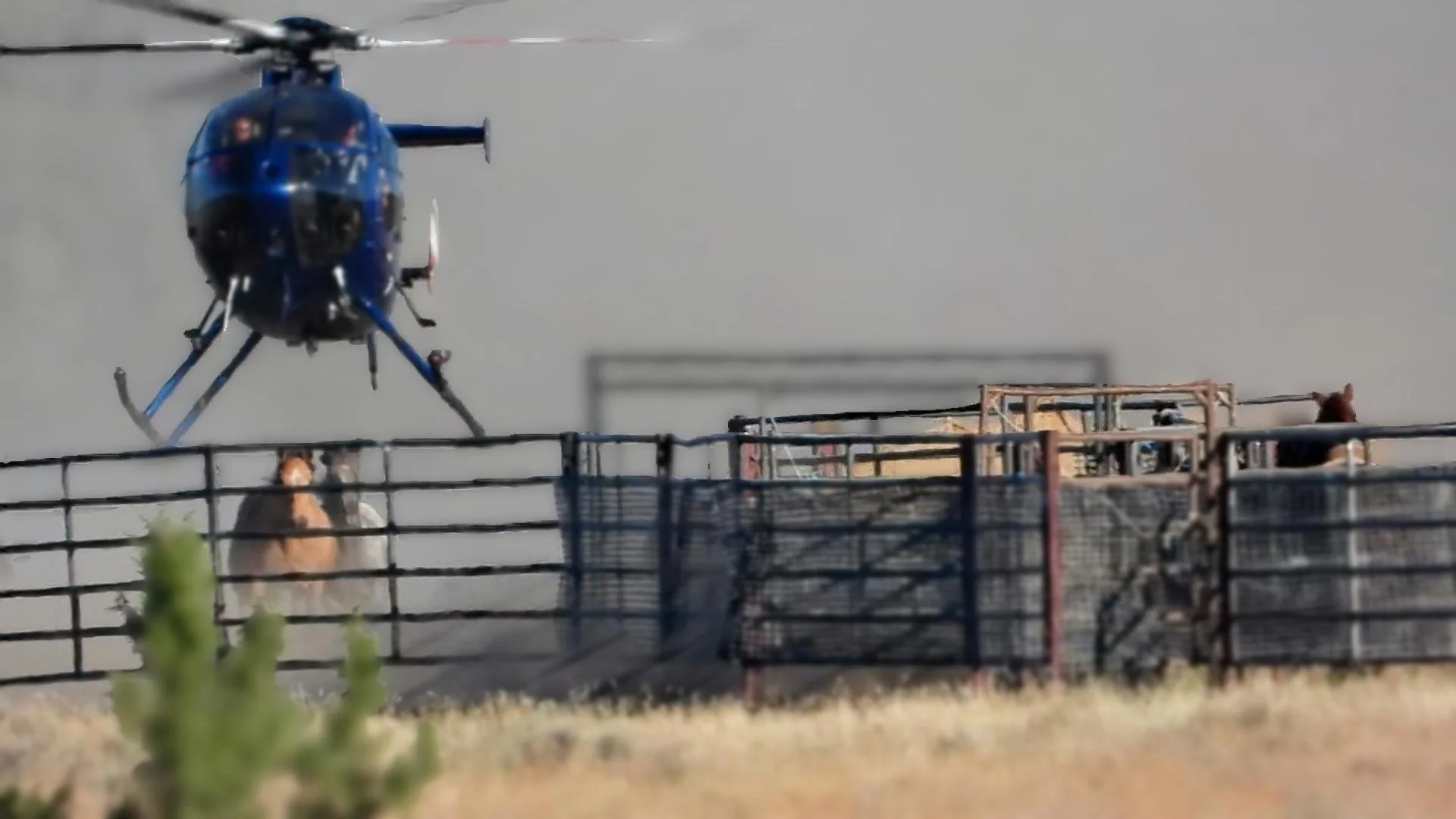
Wild Horses, Wilderness, and the Ethics We Choose”
Embedding free-roaming horses and burros within a utilitarian framework and viewing them as livestock at best or pests - at worst allows the BLM the latitude to establish welfare standards of convenience in other words to suit them. These standards need only exceed the lowest threshold of public acceptability. As a result, management can default to roundups and removals. These methods sever deep-rooted social and family bonds, and relegate previously free and self-sufficient to diminished lives in holding pens. These environments are often environmentally and socially impoverished, and the Wild Horses are subjected to the acute stress of roundups and unfamiliar human handling. Once removed from their home ranges and families, the best they can hope for is the companionship of buddy in holding and the care of (hopefully) kind humans.

ITS NOT A BUDGET WORDING ISSUE
Clarifying the Wild Horse Protection Issue:
There’s been a lot of confusion circulating online about the safety of the 65,000 wild horses currently in holding. Many posts are mistakenly claiming that "protective wording was left out of the federal budget." In truth, this is not a budget issue.

Army to end most of their ceremonial horse programs
The Army announced Tuesday that it's moving toward a future without ceremonial horses and will put most of them up for adoption.
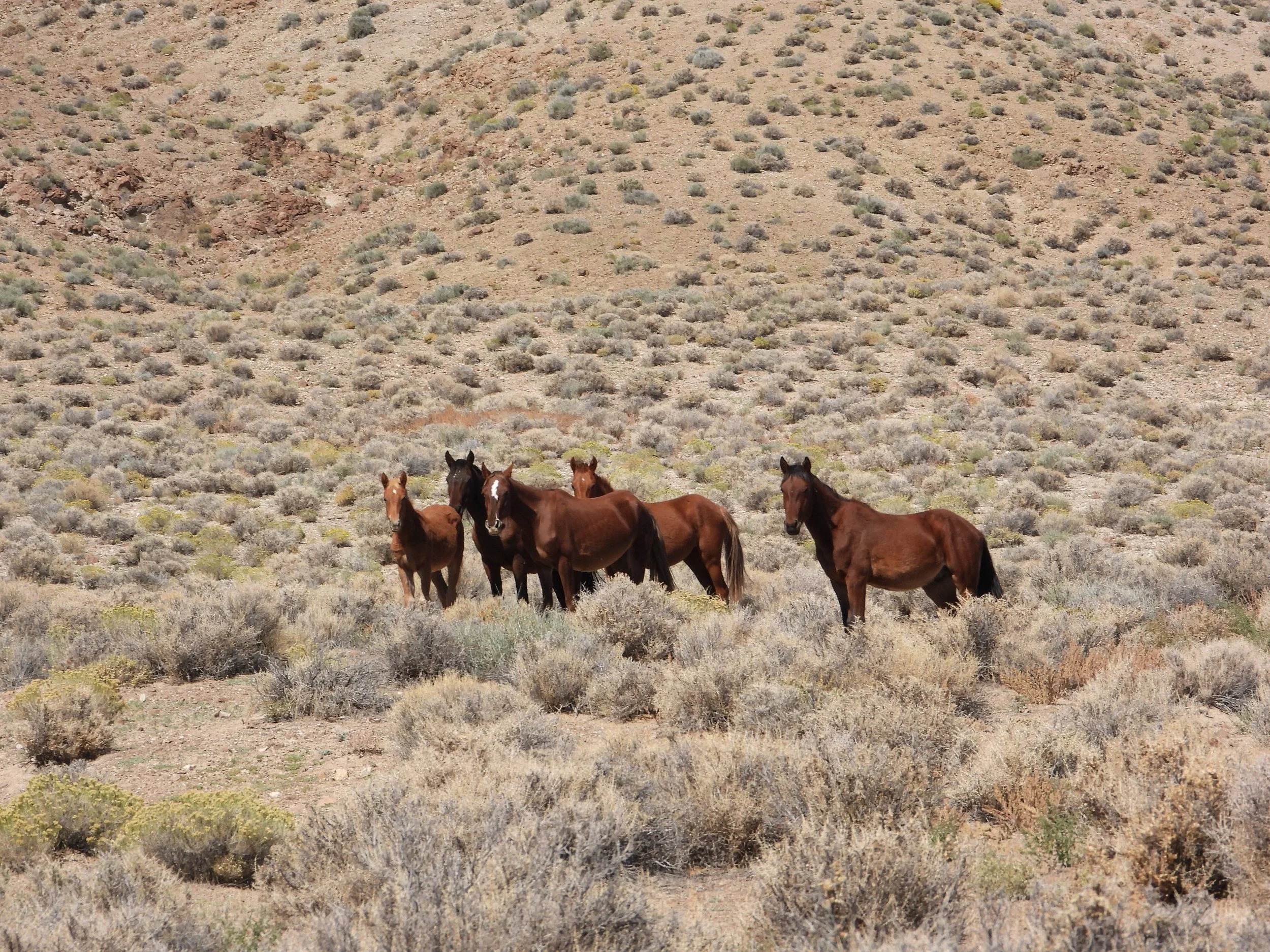
BLM to conduct Muddy Creek wild horse gather in Emery County
BLM to conduct Muddy Creek wild horse gather in Emery County
Continued drought conditions including a lack of forage, available water, and an overpopulation of wild horses is prompting the Bureau of Land Management to initiate an emergency removal of excess horses.

BLM offering a public tour at Axtell Utah
BLM is offering a public tour of the closed to the public off-range wild horse corrals and wild burro pastures July 7, 9am to noon. Attendees will have the chance to tour the facility and ask questions about the animals being held there and about the Wild Horse and Burro program.

Forage allocation between Livestock and Wild Horses
Inconsistencies in decision-making and documentation, particularly concerning wild horse Appropriate Management Levels (AMLs), and notes that reductions in wild horse populations are often actual, while livestock reductions are frequently "paper" adjustments from permit preferences.

The Time to stand for Wild Horses is now
Despite growing public outcry, Congress is taking no meaningful action to protect America’s wild horses and burros