
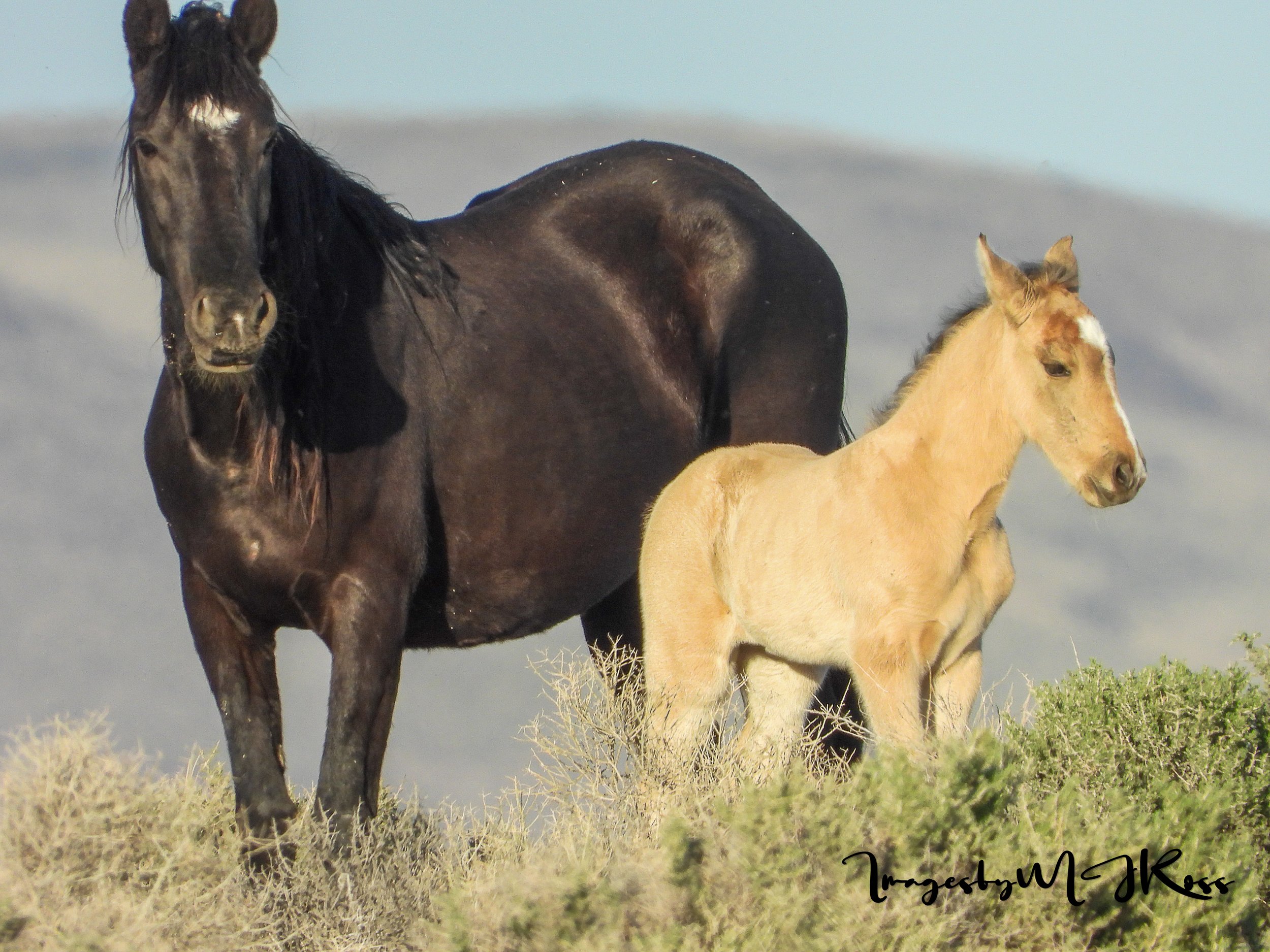
How did The Number of Wild Horses to be removed from The Lahontan HMA go from removal of 510 horses to 700 on the currant FY2026 roundup schedule? Did anyone notice?
The last verified count was 2024 the roundup is scheduled for July 2026. Removal should be based on the most current data available, With the discrepancies a recount should be done. They are using a mathematical projection not a physical count.
By applying a 19% annual growth rate to come up with growth rate between 2024 and 2026 even though their EA states a 10% growth rate in the EA for this HMA. Using projection instead of a recount compounds the risk of over removal that could lead to zeroing out the whole population.
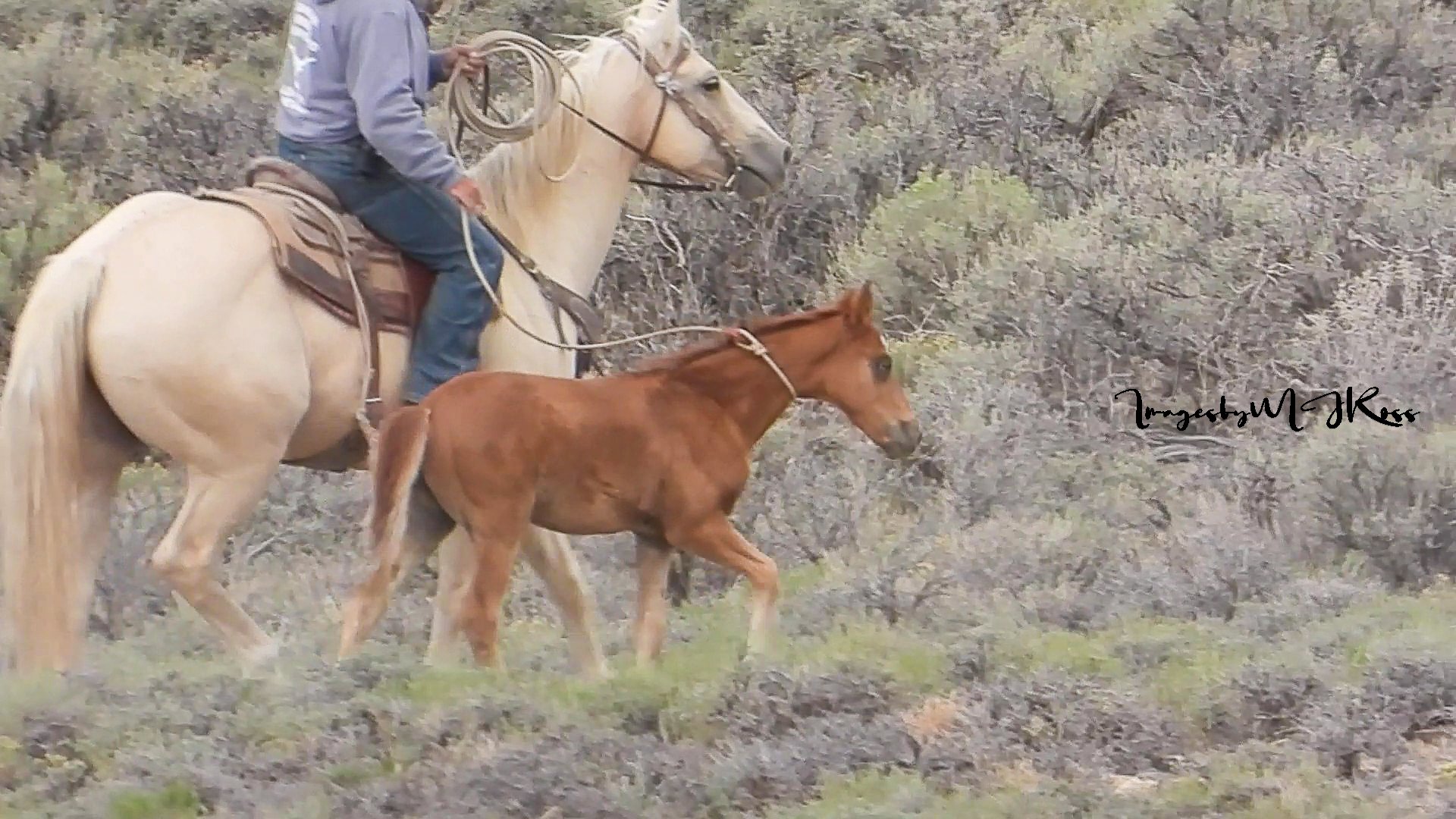
Triple B Complex Roundup (Nov–Dec 2024) after the gates shut
On November 2, 2024, the BLM began a roundup at the Triple B Complex. The roundup lasted 32 days, resulting in 2,196 wild horses removed from the range. Only 39 were released, and 27 horses died during the roundup. I was there. I witnessed it firsthand. (Now, I am seeing many of these same mustangs ending up in kill pensdumped into the very pipeline they were supposed to be protected from).
What was the real death total at this roundup to date? (This would not include a count of any that have been shipped to Mexico only roundup stats).
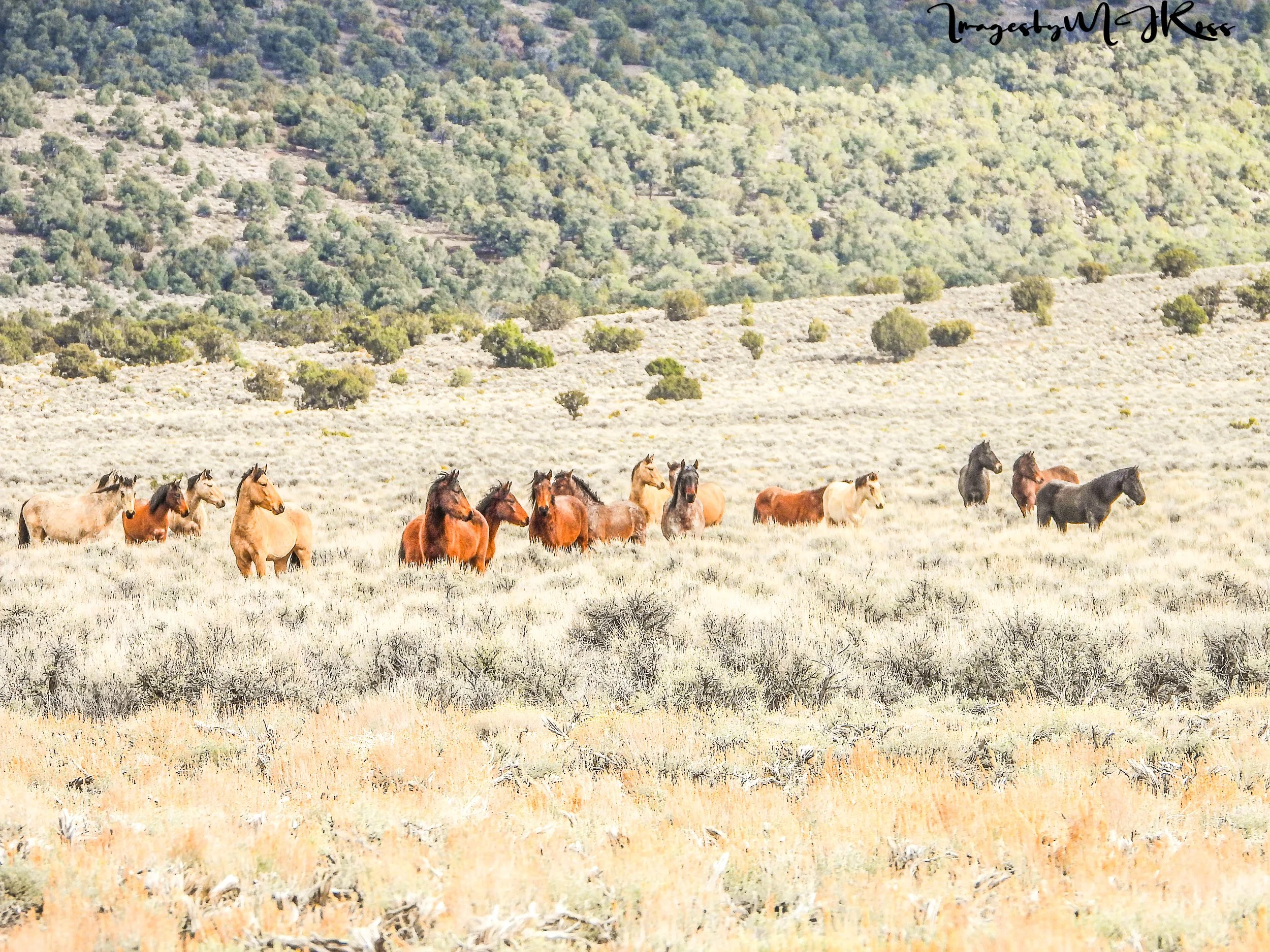
The Wild Horse and Burro Population: Analyzing the 2025 to 2026 Changes
The 2026 population estimates are a wake-up call. The current system is broken, and the wild horses and burros are paying the price. It is time for a compassionate, science-based approach that keeps wild horses where they belong wild and free on our public lands.
The aimed-at stocking rate across all HMAs is 25,592 animals on 25,572,687 acres, or one animal per thousand acres.
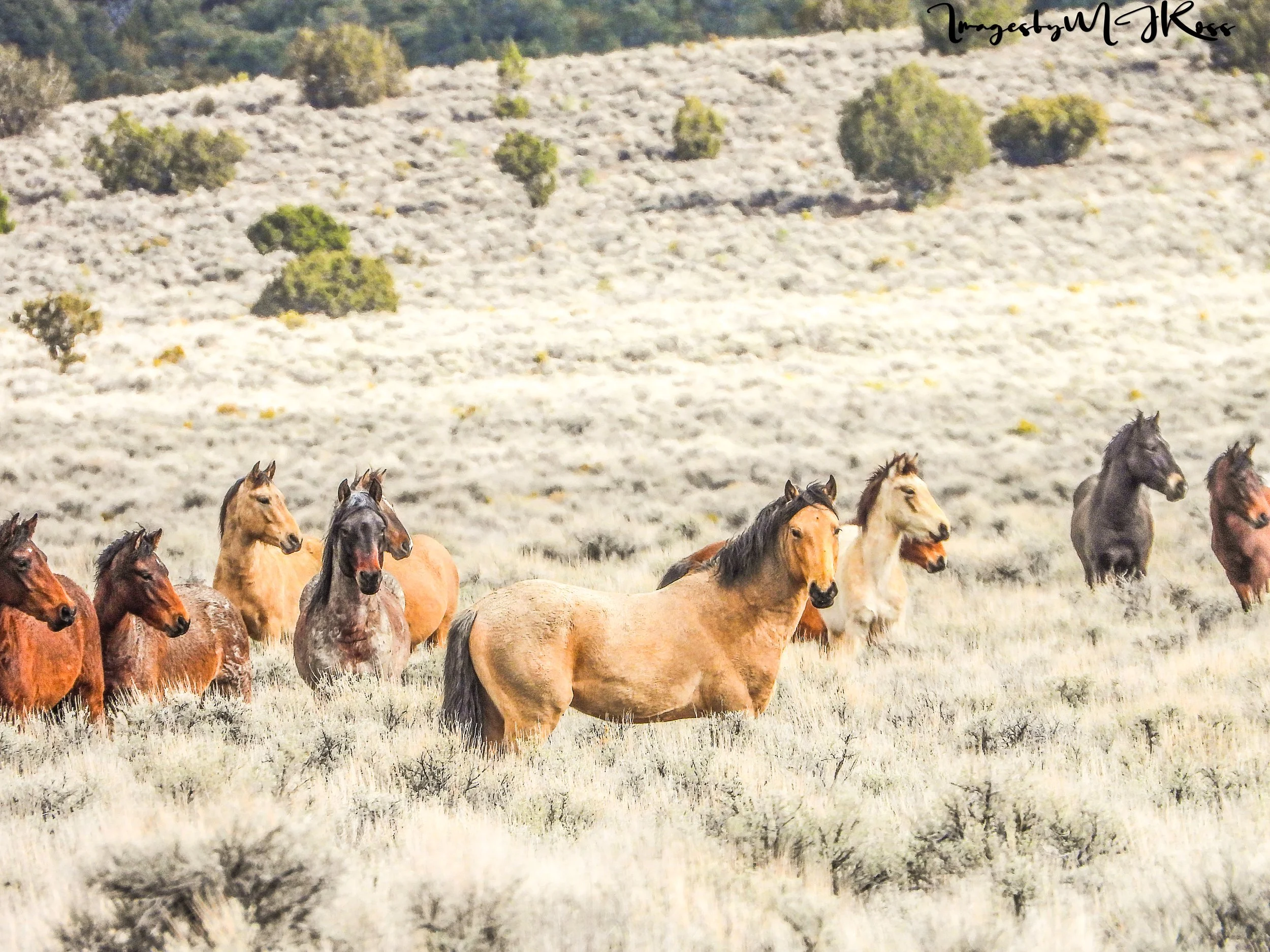
The Missing 1971 Baseline Count
When Congress unanimously passed the Wild Free-Roaming Horses and Burros Act of 1971, it mandated that the BLM and U.S. Forest Service protect these animals as “living symbols of the historic and pioneer spirit of the West.” The law required that wild horses be managed at their then-current population levels to maintain a “thriving natural ecological balance.”
However, the foundational flaw in the BLM’s entire management system is that the agency never conducted an accurate, scientifically rigorous census of wild horses in 1971.
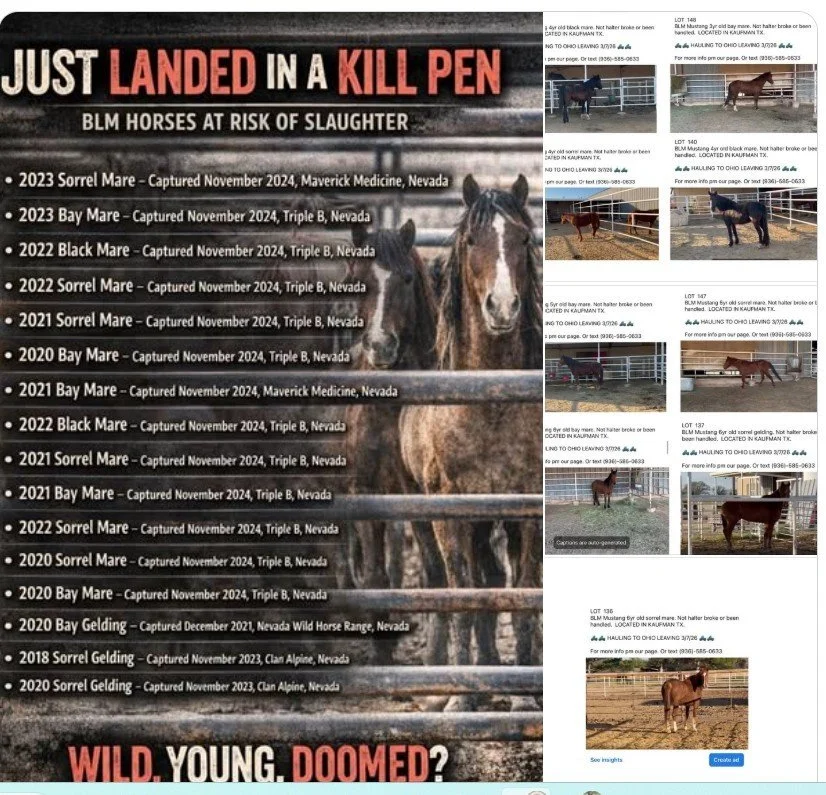
Holding the BLM Accountable: The 2023 Advisory Board Admission on Kill Pen "Flipping"
When 15 wild Nevada mustangs are purchased at a Bureau of Land Management (BLM) event and found in a kill pen on the exact same day, the BLM often defaults to the legal defense that "title has transferred" and they have no jurisdiction.
However, official transcripts from the June 28-30, 2023, National Wild Horse and Burro Advisory Board Meeting prove that the BLM is acutely aware of this specific "flipping" loophole, acknowledged that it violates the fundamental intent of the adoption and sales program, and publicly committed to addressing it.
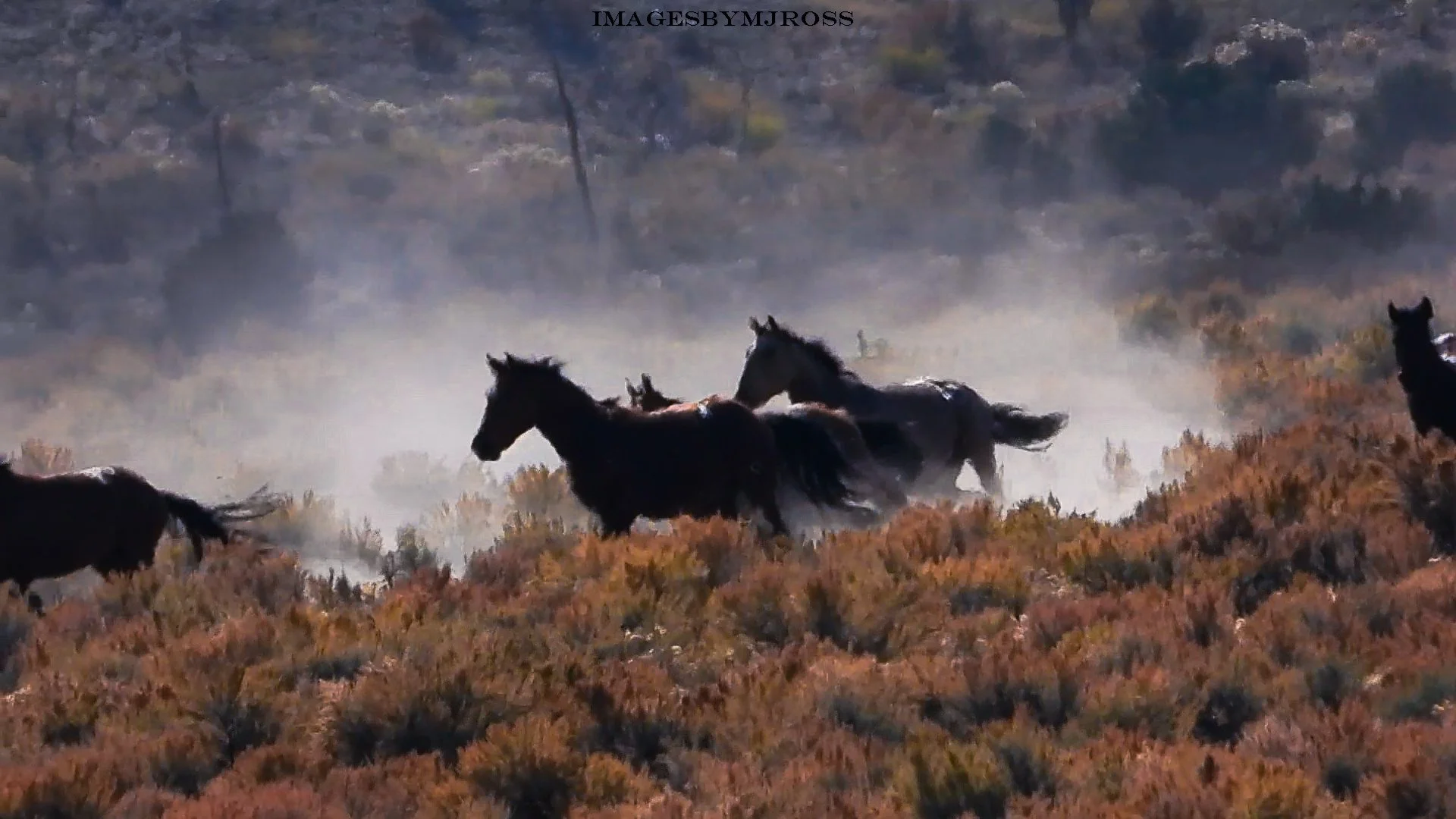
The East Pershing Complex Roundup: Operational Details
A detailed analysis of the BLM's own internal database, a 193-page record containing individual entries for every horse captured, reveals that the human and animal cost of this operation extends far beyond the 44-day roundup window. As of the database's run date of March 5, 2026, 185 deaths have been recorded among the captured horses, with the most recent death occurring on February 18, 2026, more than two years after the roundup concluded
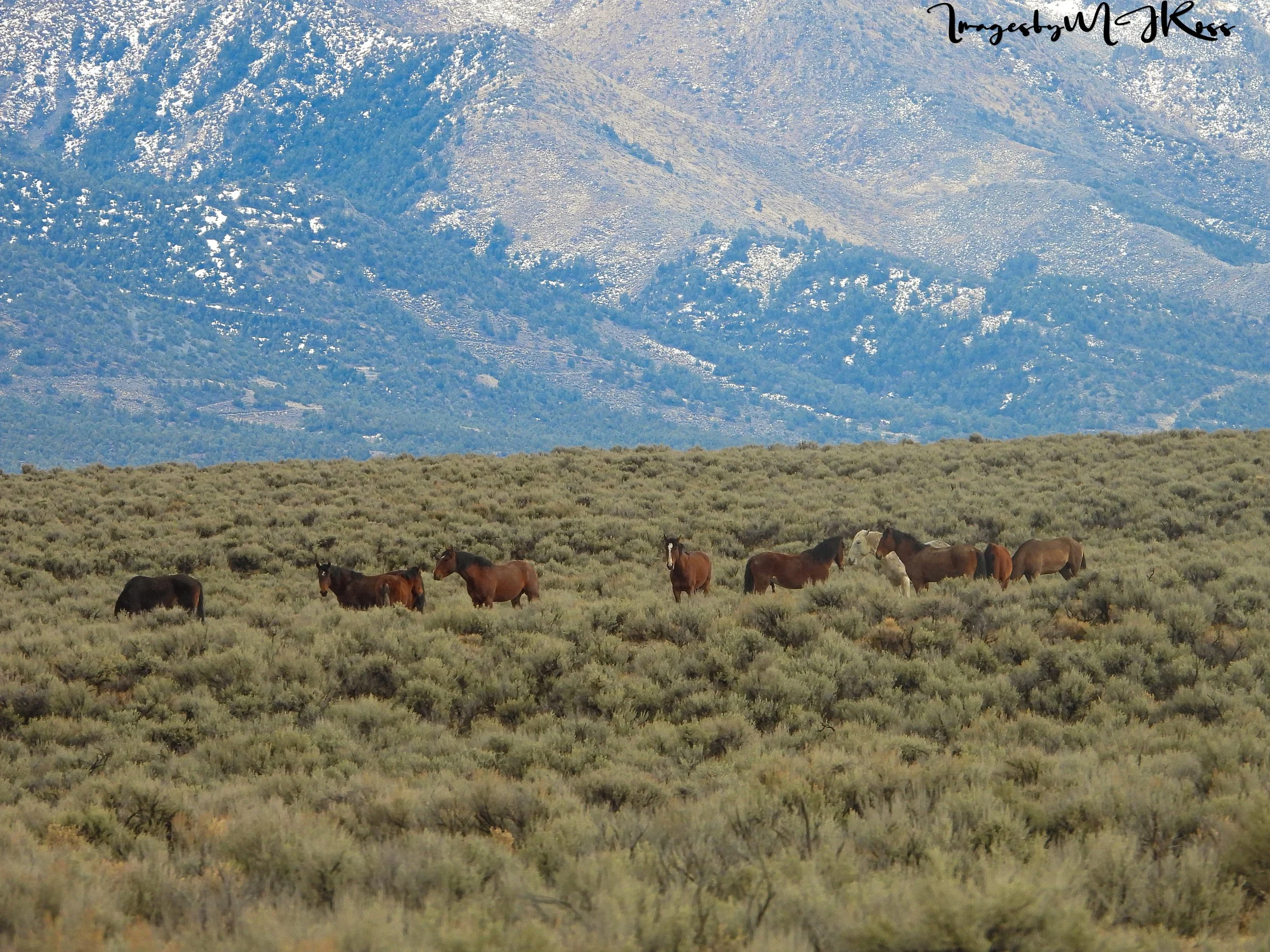
“Wild Horses Deserve Transparency” The Callaghan Complex Roundup of almost 5000 Wild Horses and Burros
The Callaghan Complex consists of:
Callaghan HMA *AML 134-237 - A designated Herd Management Area
Bald Mountain HMA *AML 129-215 - Adjacent to Callaghan HMA and often shares horse movements with nearby HMAs
South Shoshone HMA *AML 60-100 - Another nearby Herd Management Area that wild horses frequently move between with Callaghan and Bald Mountain.
Hickison HMA (The Hickison Summit Burro Range HMA) ( Northern Portion) * AML 16-45 - The plan includes the northern section of the Hickison HMA within the Callaghan Complex boundaries.
North Shoshone HA - Included in some BLM descriptions as part of the complex. Technically a Herd Area (HA) that may not be actively designated as an HMA but is considered within the planning boundary
BLM CONTRACTED FACILITIES 2026
BLM long-term off-range pastures (ORPs) are privately owned, large-scale grazing lands in the Midwest and West, contracted to house over 39,000 unadopted or unsold wild horses. These, mostly located in states like Kansas, Oklahoma, and Wyoming, provide lifelong, free-roaming care for older animals, with 38 active contracts ranging from 450 to 46,000 acre
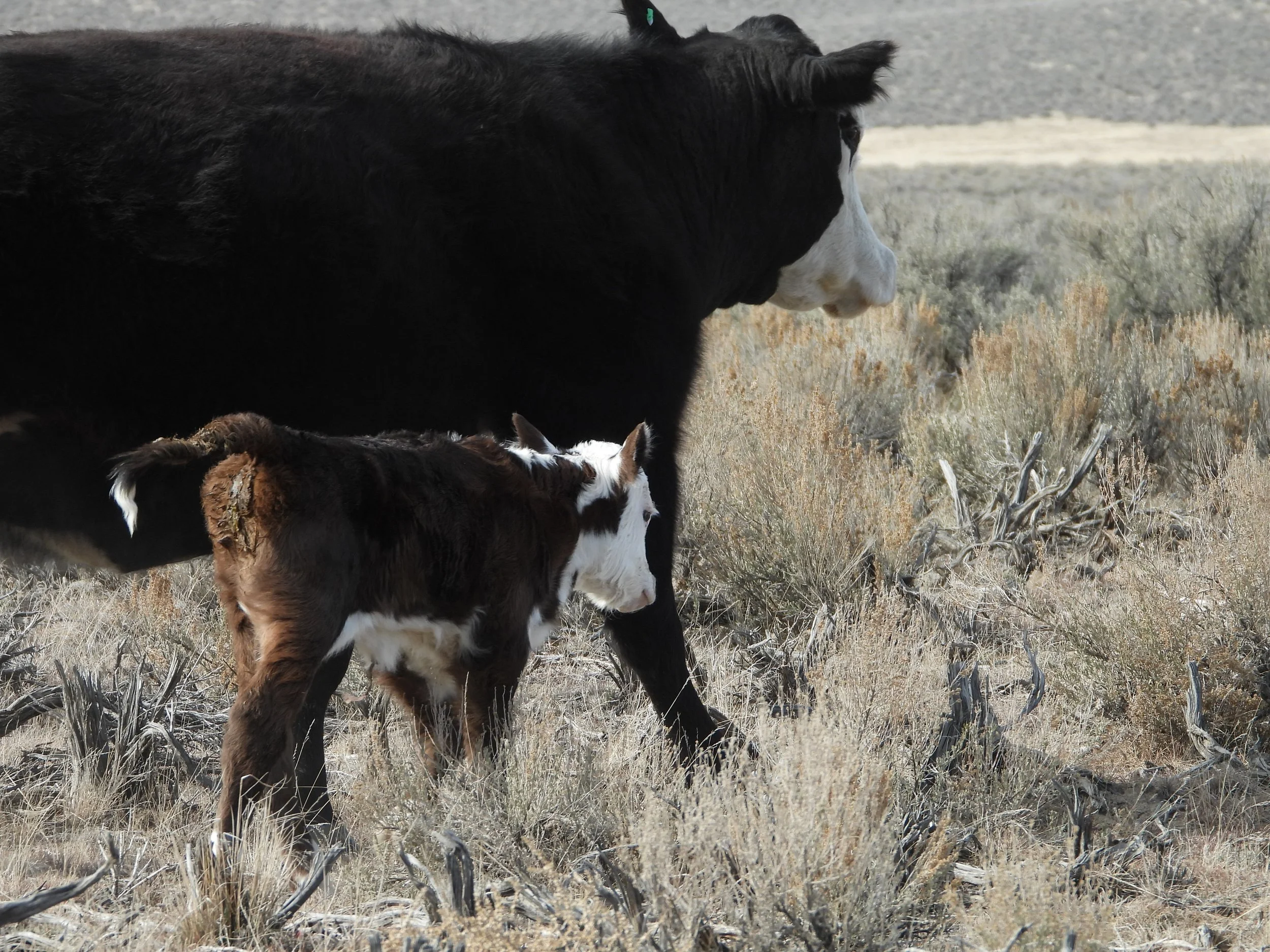
Public lands ranching has the most widespread and severe impact on horse and burro habitat and long term sustainability.
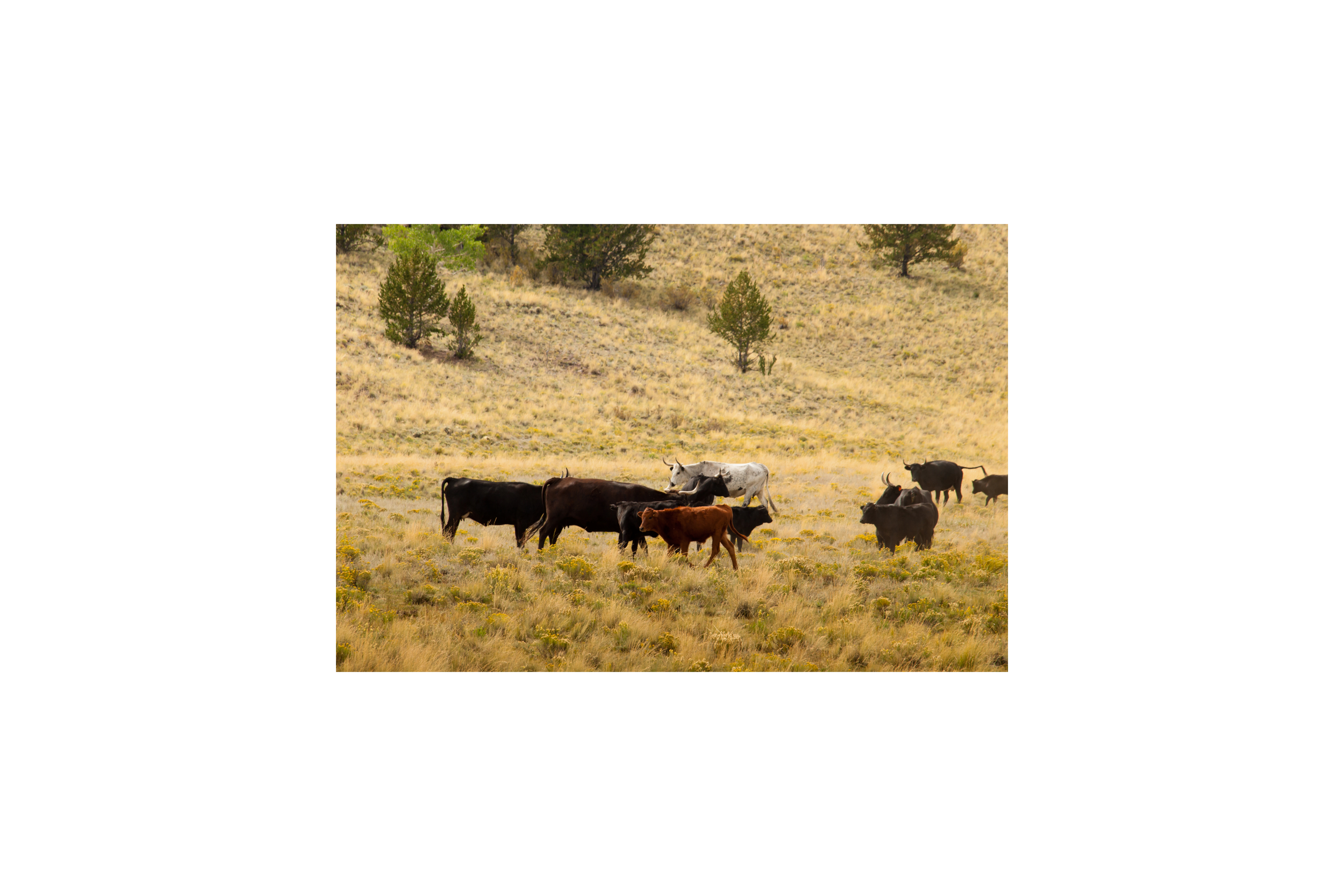
The Wild Free-Roaming Horses and Burros Act was enacted to protect these animals and their habitat — including provisions to remove unauthorized livestock that compete for forage and water. Yet today, wild horses are routinely rounded up as “excess” while grazing livestock remain, highlighting how BLM management often responds more to ranching pressures than the original intent of the law.
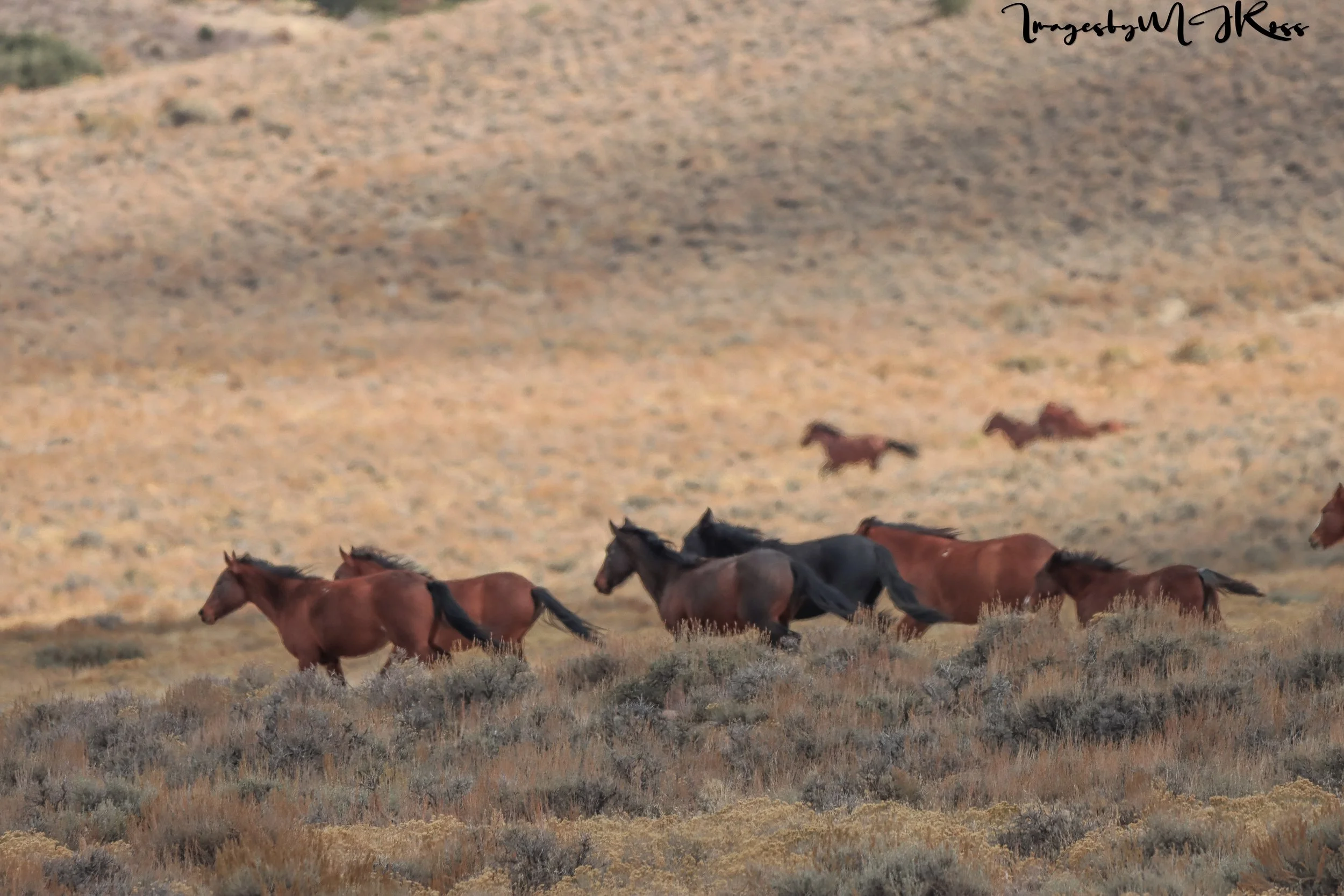
Congressional Bills H.R. 4323 and H.R. 6938 Signed Into Law
Congress has officially passed, and the President has signed into law, H.R. 4323 and H.R. 6938, collectively known as the Interior and Environment Appropriations Act, 2026. This legislation provides consolidated funding for federal agencies within the Department of the Interior for the fiscal year ending September 30, 2026.
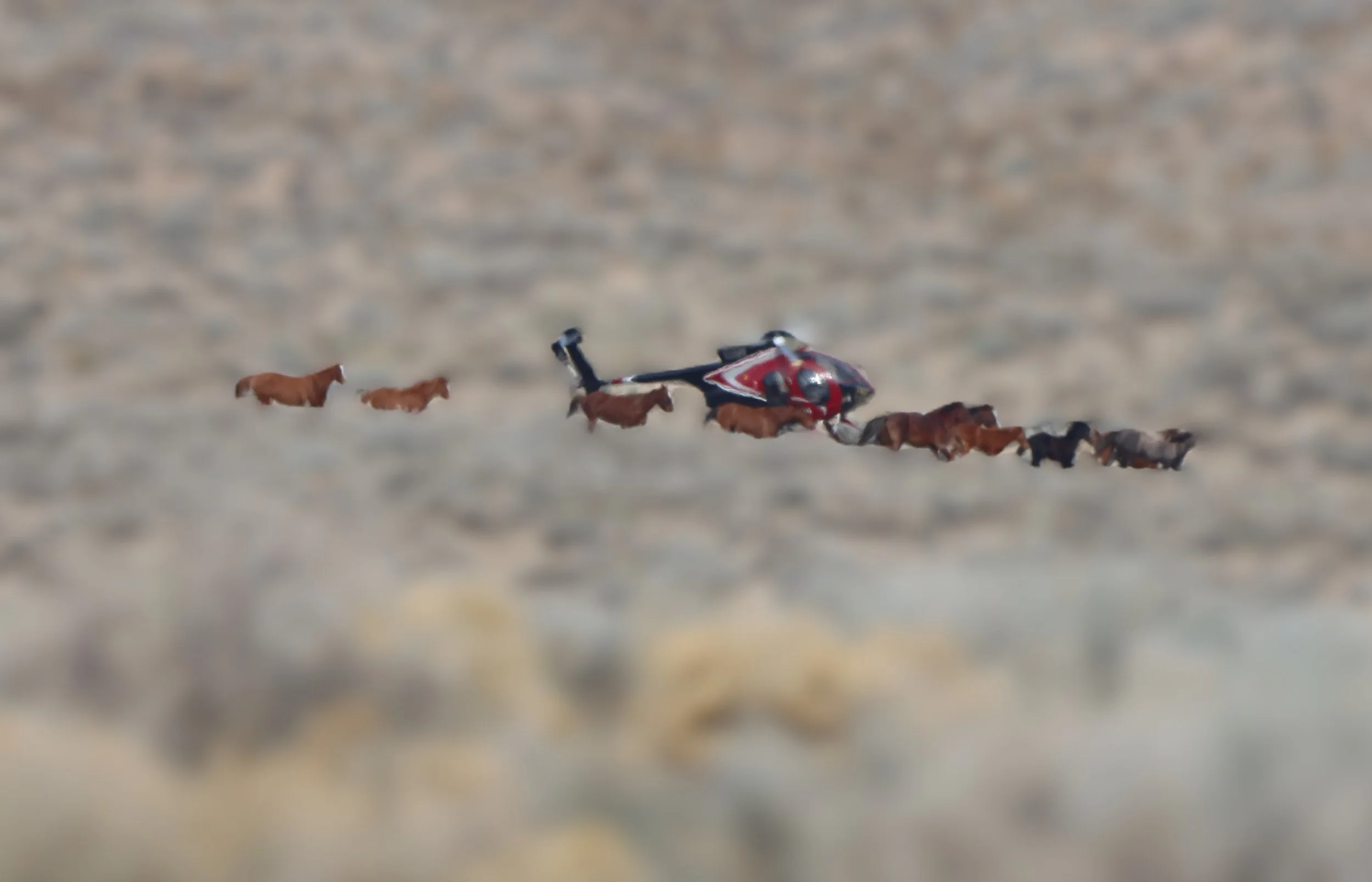
Llimited depth perception in Wild Horses and the effects during roundups
Horses have limited binocular (forward-facing) vision and rely on head movement and reduced speed to accurately judge depth and terrain.
During helicopter gathers, wild horses are driven at sustained speeds across unfamiliar landscapes and are unable to stop, lower their heads, or visually reassess obstacles.
Under these conditions, reduced depth assessment increases the risk of misjudging terrain features such as washes, drop-offs, fencing, and trap wings, which can result in falls, collisions, and musculoskeletal injuries.
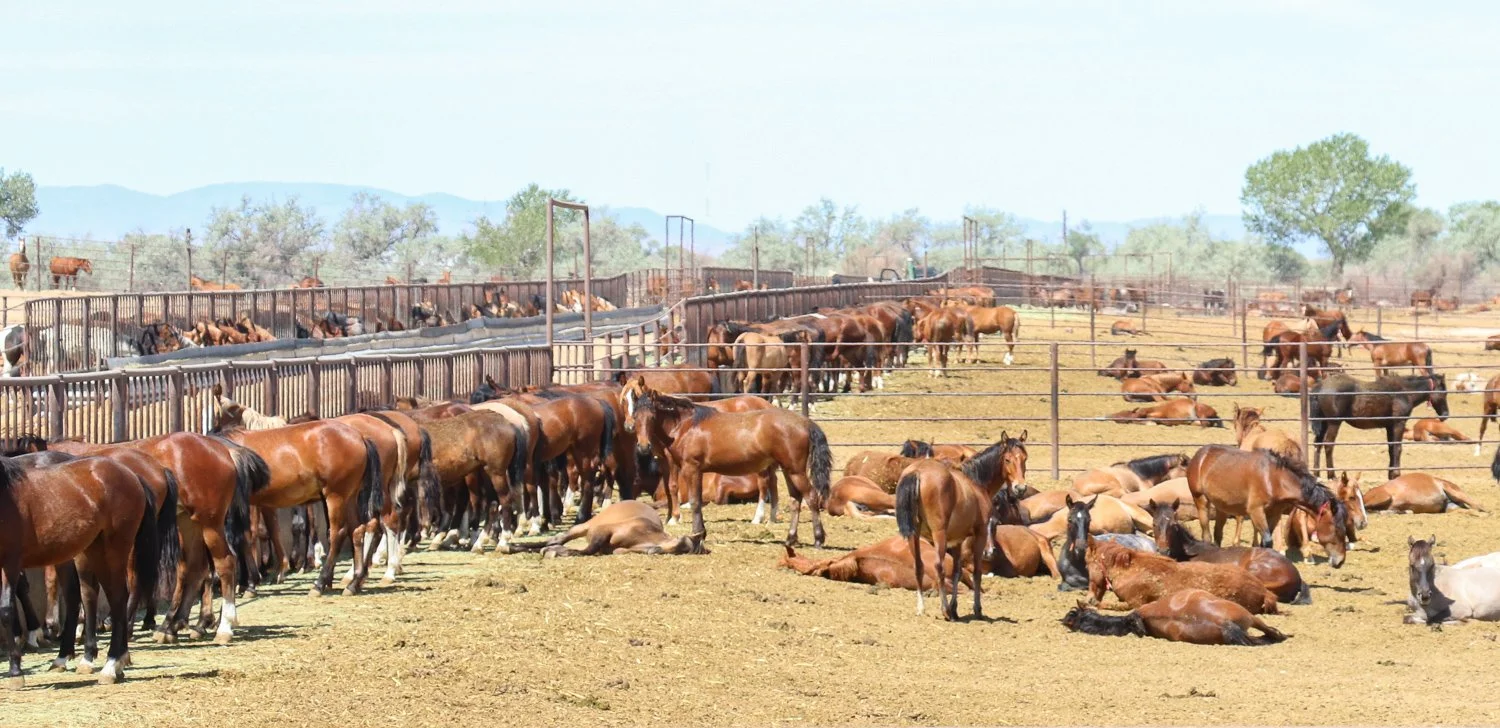
Ninth Circuit approves Nevada horse corral amid claims of inhumane treatment
Ninth Circuit approves Nevada horse corral amid claims of inhumane treatment
A three-judge panel of the U.S. Court of Appeals for the Ninth Circuit upheld a lower-court decision allowing the Bureau of Land Management (BLM) to continue operating and funding the Winnemucca Off-Range Corral near Winnemucca/Paradise Valley, Nevada,
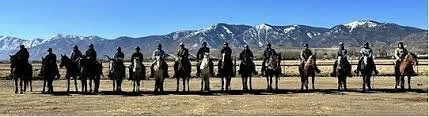
How training programs within the BLM structure would benifit the adopters, the horses and the taxpayers.
The Northern Nevada Correctional Facility is one of the most successful Wild Horse gentling and adoption programs in the country. The NNCC Wild Horse program will survive through FY2026 with reduced funding and reliance from onetime funding through the state of Nevada. The facility will be maintained but no long term protection despite the proven sucess in reduction of costs for long term hold facilities and saving wild horses lives and improving the chances for those inmates that train the horses a higher sucess rate when leaving the prision system.
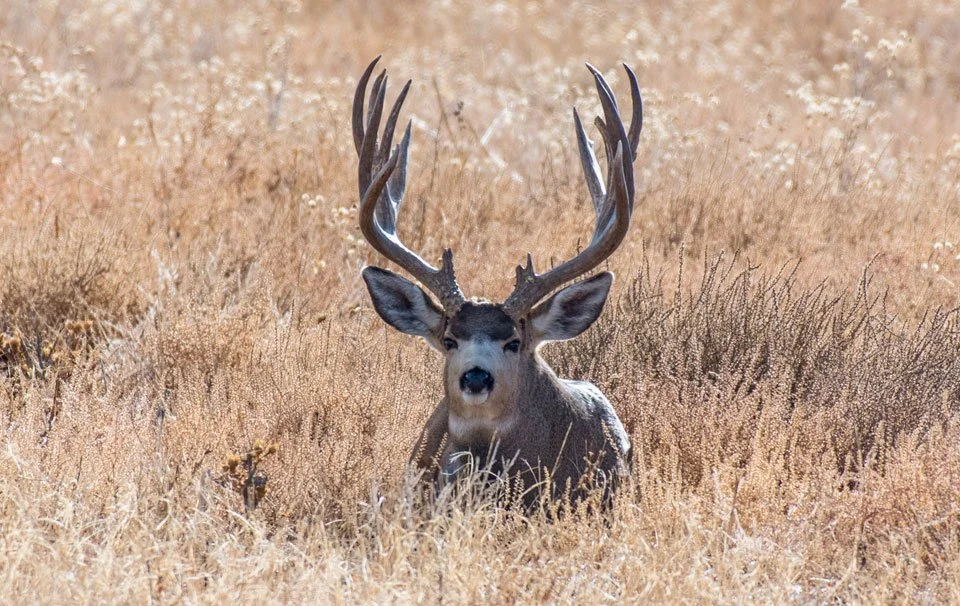
Public lands, Private Profits: How Trophy Hunting and BLM Grazing Collide
Their value is cultural, ecological, and public not financial. In contrast, livestock grazing, hunting tags, and private trophy hunts all generate revenue streams tied to land use decisions.
As a result:
* Wild horses are targeted for removal
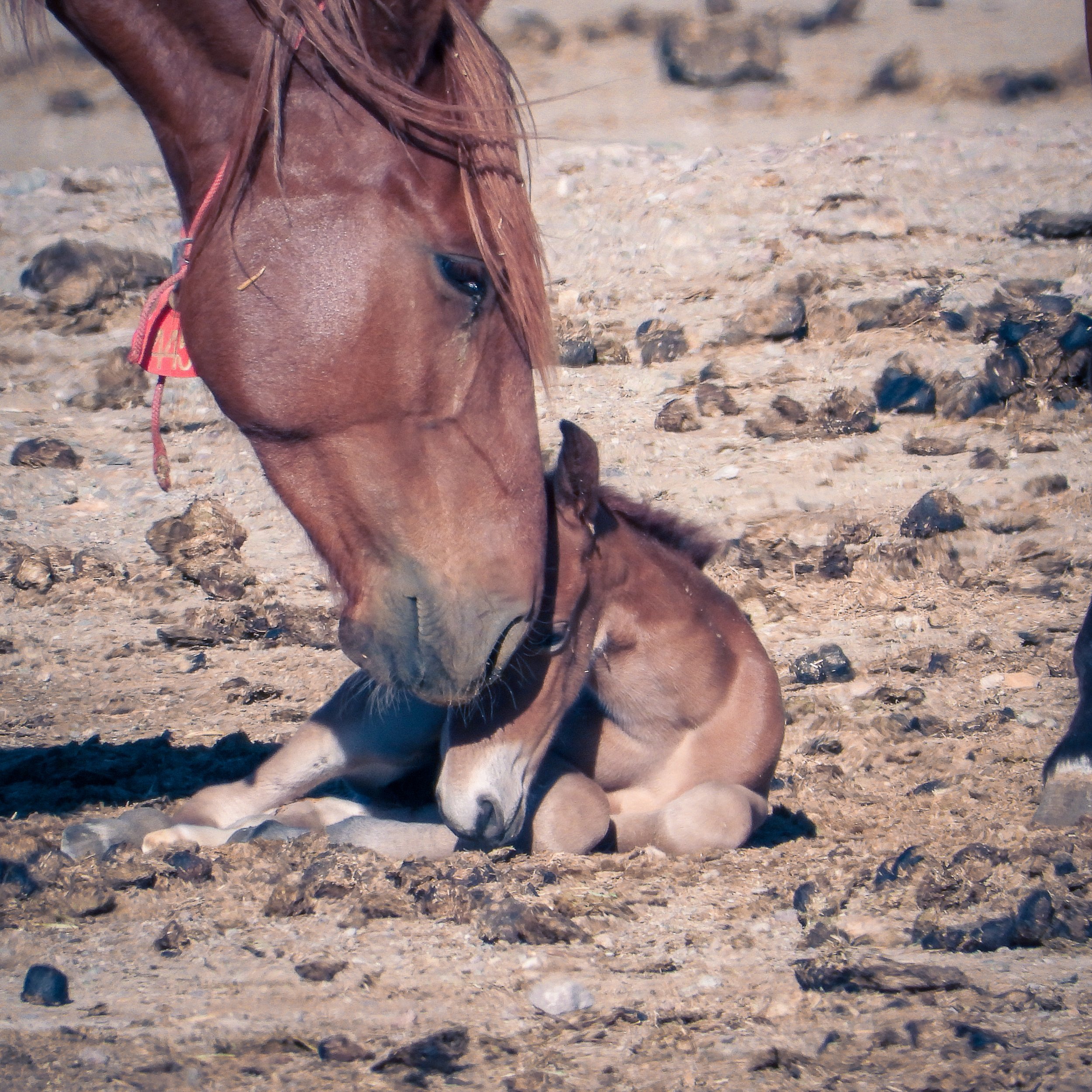
The Wild Horse and Burro Comprehensive Animal Welfare Program (PIM 2021-002): A Promise Unfulfilled
Until management practices change, until transparency is enforced, and until deaths after roundups are fully counted and addressed, the Comprehensive Animal Welfare Program remains a promise unfulfilled.
Wild horses and burros deserve more than policy memos.
They deserve to live free, protected, and respected on the lands that are legally theirs.
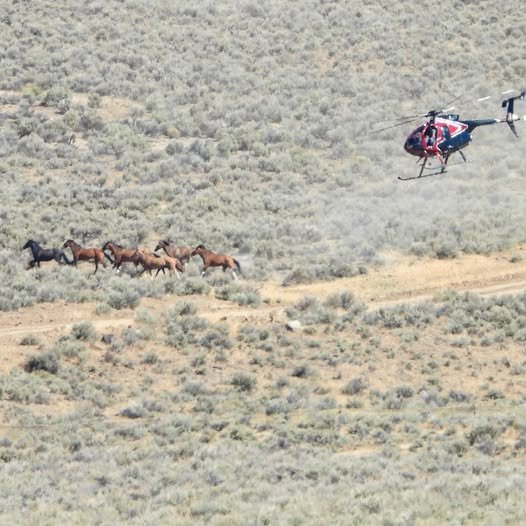
BlueWing roundup and the Failure of Animal Welfare Oversight- we all remember this roundup well.
The 2024 Blue Wing roundup became the deadliest of the year for U.S. wild horse and burro roundups. A total of 1,665 animals were removed. Forty-two deaths were officially reported during the operation, attributed to traumatic injuries such as broken necks and blunt force trauma, as well as euthanasia for pre-existing conditions. After shipment to short-term holding facilities, another 144 animals died.
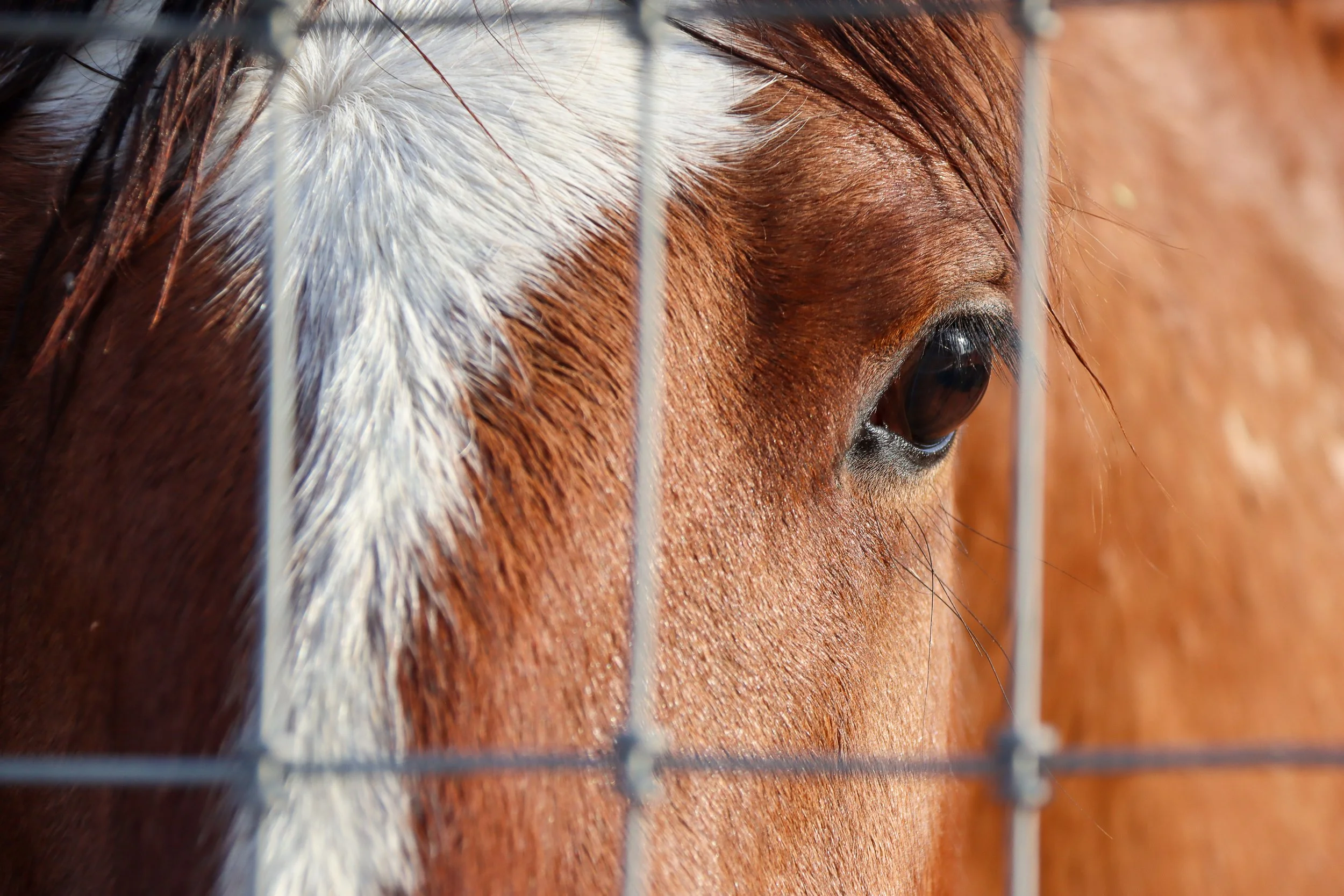
So What Is the Real Mortality Rate? The real death toll of a roundup is not just what happens at the trap. It’s everything that happens because of the trap.
When all deaths connected to the roundup include trap-site, short-term holding, long-term holding, and surgical complications the mortality rate becomes significantly higher.
The BLM knows this.
But they only publicize the number that makes the operation look humane.
The Public Deserves the Whole Truth
Wild horses are not dying because they are sick, weak, or “starving on the range.”
They are dying because they are being chased, stressed, injured, and torn from the environment their bodies evolved to survive in.
It’s everything that happens because of the trap
Reclassify Wild Horses as a Native Species
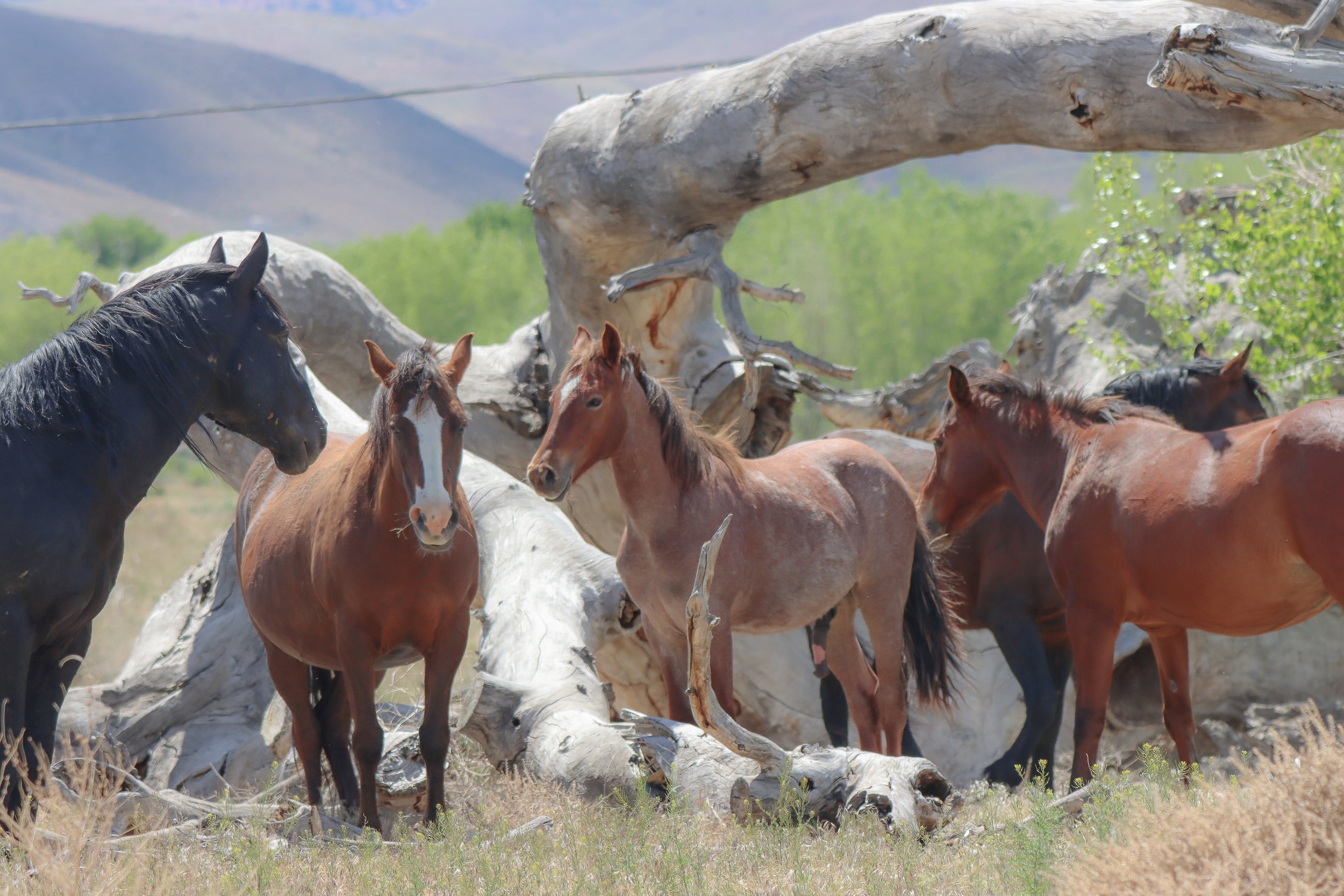
Wild horses have lived on the North American landscape far longer than many of the animals we legally recognize as “native.” Science confirms that the modern horse evolved here—on this continent—before becoming extinct during the Pleistocene and returning with the Spanish. Their DNA links directly to the prehistoric horses that once roamed the same basins, valleys, and mountain ranges they occupy today.
Giving Tuesday Wild Horses Lives Matter
For a long time, I was doing this work under another organization, making an impact on their behalf. But now, I’m asking for the opportunity to make that same impact—and more—through my own organization, Wild Horses Lives Matter.
I want the chance to change outcomes, to demand transparency, and to push for real accountability.
What makes Wild Horses Lives Matter different from other organizations is simple: We show up. We answer messages. We respond to the public. We educate people who are trying to understand what’s happening. We provide photos, videos, and firsthand documentation when you ask for it.
We don’t focus on just one part of the mustang’s journey. We are committed to them every step of the way—from the range, to the trap sites, to holding, to adoption and homing, and even to the kill pens where too many end up when the system fails them.
Wild Horses Lives Matter has been here for the mustangs and for the people who care about them. Join us in this fight.